




Table of Contents
🔍 Introduction to Cyber Audits

Knowing where your business stands on cyber security isn’t just useful – it’s crucial. A cyber audit is a systematic evaluation of how well your organisation protects its data, systems and people. It looks at your controls, policies and compliance against recognised standards to show where you’re strong and where improvements are needed.
For many businesses, the idea of an audit can sound daunting, especially when resources are stretched. Yet as cyber threats grow and regulations tighten, understanding your true security posture has never mattered more. Many companies attempt a DIY approach, which often leads to missed control weaknesses and underestimated risks. That’s why our team at CyPro focuses on making audits practical and accessible through our Security Assessments & Audits service – helping organisations spot gaps before attackers do.
In this blog, we’ll break down what a cyber audit really involves, when your business should consider one and how it can boost confidence among executives, investors and clients alike. By the end, you’ll know how a well-timed cyber audit can give you a clear roadmap to strengthen defences and stay compliant. If you’re exploring when to schedule your next review, you might also find our guide on Common Pitfalls When Performing a Cyber Security Audit a useful read.
🔐 What Is a Cyber Audit?

A cyber audit is a deep dive into how your organisation protects its data, systems and people. Think of it like a health check for your IT environment – it shows whether your security controls are doing what they’re meant to do and where there might be gaps. The goal isn’t to catch anyone out, but to give a clear picture of risk exposure and compliance status so your business can make informed decisions about how to strengthen its cyber security strategy.
This capability helps identify vulnerabilities, assess policies against standards such as GDPR or ISO 27001, and confirm that processes align with both internal expectations and external regulations. It’s often the starting point for improving resilience and preparing for incident response. If an attack were to happen, the results of a cyber audit help your team act faster and more effectively because you already know where weaknesses lie.
At CyPro, we offer Security Assessments & Audits designed to make this process straightforward. Our team focuses on practical outcomes – not technical interrogation. We help organisations uncover control weaknesses, build a remediation plan and maintain compliance without slowing down operations. For those exploring timing and best practice, our resource on Common Pitfalls When Performing a Cyber Security Audit covers what to avoid when planning your next review.
When used well, a cyber audit becomes a proactive tool for managing risk and building executive confidence. It gives leadership assurance that safeguards are in place and provides a clear roadmap for continuous improvement.
 Key Takeaway
 A cyber audit is your organisation’s security health check – it reveals vulnerabilities, assures compliance and gives a clear path to strengthen defences before attackers find the gaps.
⚙️ The 5 Phases to a Cyber Audit
A cyber audit normally follows a structured process so that the assessment is thorough, repeatable and defensible. While the exact approach can vary depending on the framework used (for example ISO 27001, NIST or CIS), most cyber audits follow the same core phases.
1. Scoping and planning
The first step is defining exactly what the audit will cover. This includes identifying the systems, business units, locations and third parties within scope. The audit objectives are agreed, along with the framework or standards being assessed against.
At this stage the auditors also review background information such as existing policies, previous audit reports, architecture diagrams and risk assessments. This allows them to understand the organisation’s environment and plan the areas that need deeper inspection.
Clear scoping is critical. If the scope is vague or unrealistic, the audit either misses important risks or becomes far too disruptive for the business.
2. Evidence gathering and control review
Once the scope is agreed, the auditors begin collecting evidence to understand how security is actually implemented.
This typically involves reviewing security policies and procedures, inspecting system configurations, analysing logs and documentation and interviewing key staff responsible for security controls. The goal is to verify whether the organisation’s controls exist and whether they are operating effectively.
For example, auditors might review access control settings, incident response processes, backup procedures, vulnerability management practices or employee security awareness programmes.
3. Testing and validation
After identifying the documented controls, the next phase is validating that they work as intended. This often involves sampling activities or performing technical checks.
Auditors may test user access rights, examine patch management records, review incident response evidence or validate monitoring processes. In some cases this phase can also include technical testing such as vulnerability scanning or configuration analysis.
The purpose is to move beyond policy and confirm that security controls are operating in practice, not just on paper.
4. Risk analysis and findings
The evidence collected is then analysed to identify gaps, weaknesses or control failures. Each issue is assessed based on its potential risk to the organisation.
Findings are typically categorised by severity, such as high, medium or low risk, and mapped against the relevant framework or control requirement. This allows the organisation to clearly understand where it is compliant, where improvements are required and which issues should be prioritised.
5. Reporting and remediation planning
The final phase is producing the audit report and working with the organisation to define remediation actions.
A good audit report does more than list problems. It explains the risk behind each finding and provides practical recommendations for improvement. This helps leadership prioritise security investments and address weaknesses in a structured way.
In many cases, organisations then implement remediation actions and may undergo a follow-up audit or review to confirm that the identified issues have been resolved.
⚡ Why Cyber Audits Matter

For most organisations, a cyber audit isn’t just about ticking compliance boxes – it’s about protecting reputation, reducing risk and proving resilience to clients and regulators. With threats evolving faster than ever, regular audits give leaders a clear picture of where defences stand and what needs attention before costly incidents occur. They also demonstrate accountability to investors, customers and partners who increasingly expect evidence of strong cyber governance.
 Case Study – Strengthening Compliance for a Mid-Sized Financial Services Firm
 We recently worked with a mid-sized FS company struggling to maintain compliance across multiple systems. Their internal IT team had attempted a DIY audit but missed key control weaknesses, leaving them exposed to data protection risks.
Our team at CyPro performed a full Security Assessment & Audit, mapping controls against GDPR and ISO 27001 standards. Within six weeks, we delivered a prioritised remediation roadmap that reduced high-risk vulnerabilities by 68% and improved compliance readiness scores by 40%.
The board gained confidence to report cyber posture to regulators and investors, and the business avoided potential fines from outdated processes. This clarity transformed cyber from a reactive burden into a measurable business advantage.
Here’s why it matters now more than ever:
- Risk reduction: A cyber audit spots control weaknesses and provides concrete remediation actions to prevent breaches before they happen.
- Compliance assurance: Regular audits confirm alignment with frameworks such as GDPR and ISO 27001, helping avoid penalties and reputational damage.
- Executive confidence: Leadership can make informed decisions knowing their IT assets and data are properly safeguarded.
- Operational efficiency: Audits highlight areas for process improvement, reducing duplication and streamlining security spend.
- Customer trust: Transparent audit outcomes reassure clients and partners that your business takes data protection seriously.
Key Takeaway A well-executed cyber audit doesn’t just find problems – it builds confidence, strengthens compliance and gives decision-makers a clear roadmap for risk reduction and smarter security investment.
🧩 Key Components of Cyber Audits

A cyber audit is built on a structured set of components that ensure every part of your organisation’s security posture is examined thoroughly.
These include the processes that guide the audit, the controls that define security expectations, the tools that enable effective analysis, and the roles that ensure accountability. Understanding these building blocks helps leadership teams plan, execute and act on audit results efficiently.
1. Processes: Planning, Execution and Remediation
Every cyber audit follows a clear process designed to provide a full picture of your organisation’s security health. According to Security Assessments & Audits, the process typically includes:
- Scope definition: Identify systems, networks and data assets to be reviewed, focusing on high-risk areas aligned with business priorities.
- Policy review: Examine existing policies for completeness and compliance with frameworks such as GDPR, ISO 27001 or NIST.
- Environment assessment: Evaluate network, device and application configurations to uncover vulnerabilities or misconfigurations.
- Risk prioritisation: Rate findings by likelihood and impact to guide remediation efforts effectively.
- Reporting and remediation: Deliver clear documentation and actionable recommendations to fix weak controls and improve compliance.
Unlike quick assessments, audits are formal and documented for regulatory or external assurance purposes, as noted by Lumos.
2. Controls: Safeguarding Systems and Data
Controls are the backbone of any cyber audit. They define how well your organisation protects its assets and responds to threats. SentinelOne highlights that audits review several key areas:
- Network and system security: Firewalls, patch management and endpoint configurations.
- Encryption and data protection: How sensitive data is encrypted, stored and transferred.
- Access control: Verification that only authorised users have access to crucial systems.
- Incident response: Procedures for detecting, reporting and handling breaches.
- Compliance alignment: Ensuring controls meet required legal and regulatory standards.
These controls form the checklist against which auditors measure real-world performance and compliance maturity.
3. Tools and Technology Supporting the Audit
Technology makes audits efficient and precise. At CyPro, we often deploy advanced tools to automate evidence collection and highlight trends quickly. Typical technologies include:
- SIEM systems: Aggregate and analyse logs to spot suspicious activity.
- Vulnerability scanners: Identify outdated software or misconfigurations.
- Compliance management platforms: Map controls to frameworks like ISO 27001 or GDPR.
- Asset inventory tools: Ensure visibility of all devices and data sources under review.
- Reporting dashboards: Summarise findings for leadership and regulators.
These technologies support both internal and external audit types, as explained by Cortavo, from operational audits to compliance reviews.
4. Roles and Responsibilities in a Cyber Audit
Clear accountability ensures audits run smoothly. Each participant plays a defined role:
- Audit lead: Oversees planning, scheduling and coordination with internal or external auditors.
- IT and security teams: Provide technical input, evidence and access during reviews.
- Compliance officers: Ensure findings align with regulatory commitments and corporate governance.
- Senior management: Review results, approve remediation actions and allocate resources.
- Third-party auditors: Offer independent validation and assurance for clients, boards or regulators.
Working together, these roles help transform audit results into tangible improvements across systems and processes. For organisations exploring how roles align under different audit types, our insight on Common Pitfalls When Performing a Cyber Security Audit provides practical guidance.
Key Takeaway A strong cyber audit combines structured processes, tested controls, reliable tools and clear accountability. Together, these components give your business an accurate view of its security posture and a roadmap for improvement.
📈 Maturity Levels of Cyber Audits

Understanding where your organisation sits on the cyber audit maturity scale helps you plan improvements effectively. Over time, businesses typically evolve from reactive reviews to proactive, data-driven audit programmes. Each stage reflects how structured and repeatable your audit practices are – and how well they support decision-making.
Typical Maturity Stages
| Stage | Description | Indicators |
|---|---|---|
| Ad hoc | Audits happen irregularly or only after incidents. Processes are informal and undocumented. | Limited visibility of risks, inconsistent findings, high reliance on reactive fixes. |
| Defined | Audit steps are documented but not consistently applied. Compliance is the main driver. | Policies exist but gaps remain. Findings often surprise teams. |
| Managed | Audits are scheduled and governed. Data supports risk prioritisation and remediation. | Regular reviews, measurable improvements, executive engagement. |
| Optimised | Auditing is fully integrated with risk and compliance programmes. Continuous improvement is built in. | Metrics drive decisions, automation supports consistency, audit results inform strategy. |
Strong audit capability means controls are repeatable, measurable and aligned with both internal policies and external frameworks. Weak audit capability often shows up as inconsistent documentation or reliance on manual checks. Over time, organisations progress as they adopt structured approaches and embed audits into broader risk management programmes.
At CyPro, we help clients move from “defined” to “optimised” through our Security Assessments & Audits. Whether you’re managing compliance for GDPR or improving operational resilience, our team provides practical steps to get there. If you’re unsure where your organisation sits, our guide on Common Pitfalls When Performing a Cyber Security Audit can help you benchmark your maturity level before starting your next review.
Key Takeaway What good looks like? A mature cyber audit programme is proactive, repeatable and outcome-driven. It connects compliance, risk and continuous improvement – turning auditing from a one-off exercise into a strategic advantage.
⚠️ Common Mistakes to Avoid

Even with the best intentions, many organisations fall into avoidable pitfalls when planning or performing a cyber audit. These mistakes often stem from rushed preparation, poor communication or a misunderstanding of what the audit should achieve.
Case Study – Missed Risks from a DIY Audit Approach We worked with a UK-based manufacturing business that had attempted a self-led cyber audit using internal IT staff. The team overlooked several configuration flaws and failed to map controls against ISO 27001, leaving compliance gaps unaddressed.
When a supplier later requested proof of security assurance, the firm’s audit documentation was incomplete. We stepped in to perform a full review through our Security Assessments & Audits, identifying missed vulnerabilities and building a remediation plan.
Within two months, their compliance position improved by 45% and supplier confidence was fully restored. The experience taught them that investing in expert audits early prevents costly reputational setbacks later.
Here are some of the most common errors we see and how to steer clear of them.
- DIY auditing without expertise: Businesses sometimes try to handle the entire cyber audit internally to save money. Without specialist knowledge, control weaknesses are easily missed and risks underestimated. Partnering with experienced auditors, like our team at CyPro through the Security Assessments & Audits service, ensures findings are accurate and actionable.
- Unclear audit scope: Skipping the planning stage leads to fragmented results. A poor scope means crucial assets or processes may be ignored. Define what needs reviewing early and align it with your risk priorities to get value from every audit cycle.
- Abrasive communication of results: Technical findings presented without context can leave leaders feeling interrogated. Translating technical risks into business language builds understanding and helps management focus on improvement rather than blame.
- Ignoring remediation follow‑through: Completing a cyber audit but failing to act on results defeats the purpose. Create a clear roadmap that assigns ownership and timelines for remediation, so progress doesn’t stall after the report lands.
Key Takeaway A successful cyber audit depends on clear scope, expert guidance and follow‑through. Avoid DIY shortcuts and ensure findings lead to practical, measurable improvement.
🗺️ Framework Mapping – How a Cyber Audit Connects to Industry Best Practice
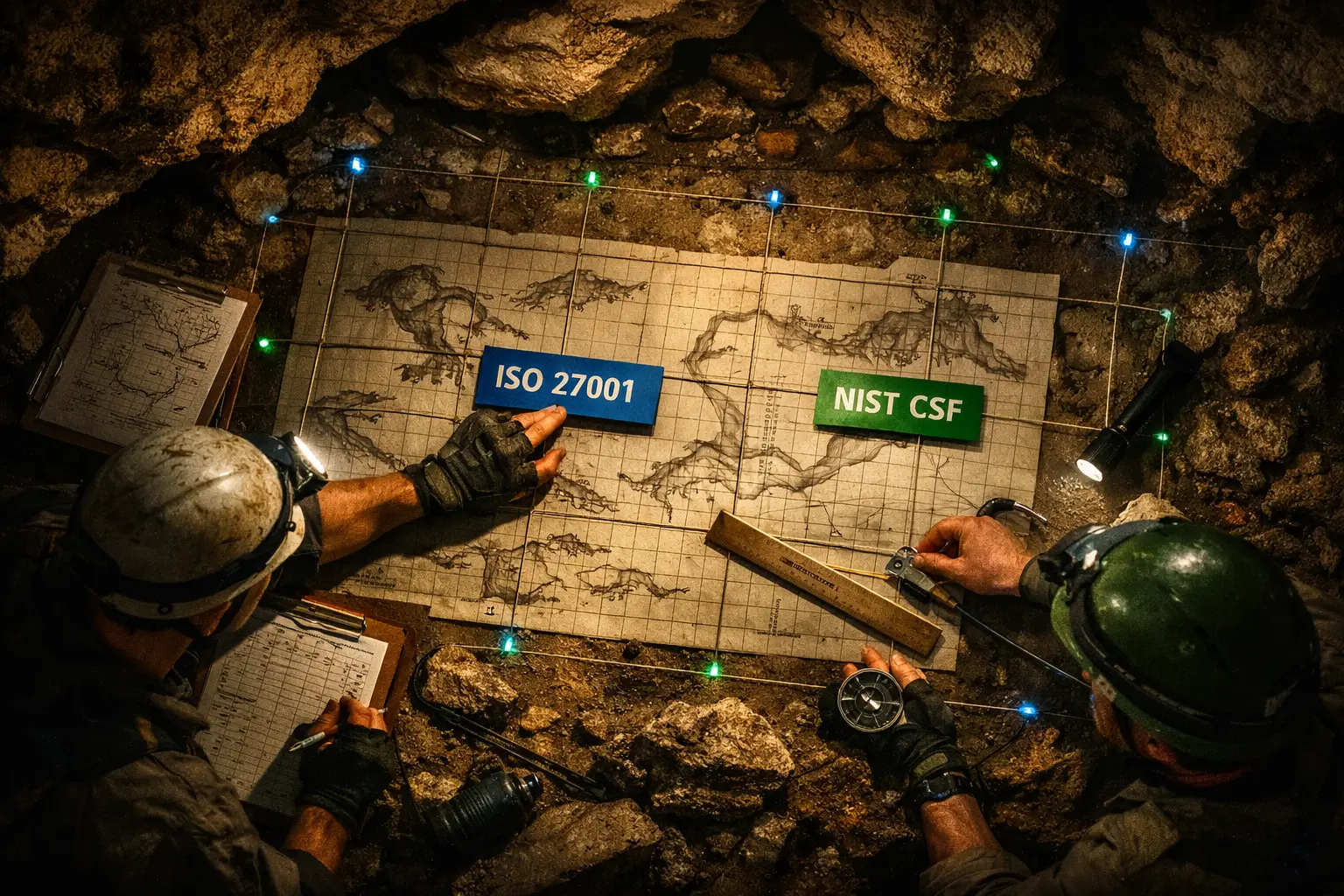
By mapping audit findings to frameworks like ISO 27001, NIST CSF and the UK’s CAF, you can clearly see how improvements in one area strengthen compliance and resilience across the board.
Here’s how a cyber audit aligns with key frameworks:
- ISO 27001: Supports clauses on risk assessment (Clause 6.1), control implementation (Annex A) and continual improvement (Clause 10).
- NIST CSF: Ties to all five core functions – Identify, Protect, Detect, Respond and Recover – by testing controls and processes end-to-end.
- Cyber Assessment Framework (CAF): Reinforces principles like managing security risks, protecting against attacks and minimising impact.
- GDPR: Validates technical and organisational measures under Article 32, proving that data protection processes are effective.
- PCI-DSS: Confirms secure handling of payment data by assessing system configurations and access controls.
At CyPro, we use these frameworks as benchmarks within our Security Assessments & Audits to help businesses stay compliant and mature their security posture. If you’re unsure which standard best fits your organisation, take a look at our guide on Common Pitfalls When Performing a Cyber Security Audit for practical direction. A well-mapped cyber audit gives you confidence that your controls align with both regulatory and best practice expectations.
✅ What Organisations Should Do

A cyber audit gives a clear view of where your organisation stands today, but its real power comes from what you do next. Turning audit findings into action ensures continuous improvement, stronger defences and lasting compliance. Here are practical steps to move from insight to impact:
Case Study – Building Audit Readiness for a UK Manufacturing Business We worked with a UK-based manufacturing business that had never completed a formal cyber audit. Their internal IT team managed day-to-day operations but lacked structured oversight of access controls and patch management.
We helped them inventory systems, introduce MFA across crucial accounts, and establish governance for credential lifecycle management. Within three months, audit readiness scores improved by 45%, and mean time to detect anomalies dropped by half.
The leadership team gained confidence knowing their next regulatory review would be based on clear evidence, not assumptions. The project turned reactive maintenance into a proactive security framework that continues to evolve with regular audit cycles.
- Define governance and accountability. Clarify who owns each control, so that when you audit there is someone on point to actually fix any issues found.
- Perform a Risk Assessment. There is no point paying for external assurance on controls or capabilities you know are already in their infancy. You want to pick some areas that you are already confident have been secured to at least a foundational level. Perform a risk assessment and identify opportunities to test the operational effectiveness of areas that are deemed lowest risk as a result of higher control maturity. The audit will confirm if the controls are actually operating effectively!
- Seek independent validation. External audits, penetration tests and maturity assessments reveal gaps internal teams may miss. Our Security Assessments & Audits help organisations benchmark against standards like ISO 27001 and GDPR to build confidence at every level.
Key Takeaway A cyber audit should not test controls or capabilities you know are already not that strong or you’re currently working on. Select capabilities that have confidence in so you can get a true picture of control maturity.
✅ Wrapping Up Your Cyber Audit Journey

A cyber audit isn’t just a compliance exercise – it’s an investment in understanding and improving how your organisation protects its people, data and systems. Acting proactively helps you spot weaknesses, stay aligned with frameworks like GDPR or ISO 27001, and build long-term confidence across the business. While setting up audit capabilities takes effort, the clarity and resilience gained are well worth it.
Key Takeaway A cyber audit gives you visibility of risks, assurance of compliance and a clear roadmap for improvement. Regular reviews help prevent issues before they escalate and reinforce trust with stakeholders.
At CyPro, we make audits practical and approachable. Through our Security Assessments & Audits service, we help businesses identify control gaps, prioritise fixes and strengthen their security posture without unnecessary disruption. If you’re unsure when to schedule your next cyber audit, our guide on Common Pitfalls When Performing a Cyber Security Audit is a great place to start. Take time to review your current posture – or reach out to us if you’d like to discuss how we can help.