




Table of Contents
🚀 Introduction to Cyber Resilience

As instability increases across the world and financial motivation drives cyber criminal activity, having a clear and effective cyber resilience framework is essential to ensuring business goals can be met, regardless of the threats faced. Organisations that invest time in structured resilience planning can maintain operations, protect their reputation and recover faster when disruptions hit.
Typically, businesses focus all of their security efforts on the “outer wall”, securing outward-facing network infrastructure, VPNs and public accounts, believing that this is enough to protect them from cyber threats. The cyber resilience approach assumes the opposite, treating cyber incidents as inevitable and focusing on what can be done to minimise disruption when they do happen. Whether this looks like restricting the affected area through segmentation and appropriate privilege controls, or a strong business continuity plan kicking in to salvage affected functionality, the aim is to continue operating no matter what.
At CyPro, we see resilience as more than a tick-box exercise to achieve regulatory compliance. It’s about ensuring continuity and recoverability during serious IT incidents without compromising on organisational objectives. A cyber resilience framework gives leaders a practical way to assess readiness and guide improvement towards these goals.
Recent updates such as NIST’s CSF 2.0 – adding the new Govern function – show how the global conversation around resilience is evolving to meet modern threats. In this article, we’ll explain the importance of adopting a cyber resilience framework, highlight how they align with organisational needs, and explore existing frameworks.
Read more on The Cyber Resilience Blueprint: Aligning Security with Innovation to see how resilience drives progress.
🔍 What Is a Cyber Resilience Framework?

A cyber resilience framework is essentially a guidebook that helps organisations prepare for, respond to and recover from cyber incidents while keeping their business running. Think of it as a playbook for handling disruption – whether that’s a ransomware attack, data breach or system failure – so operations don’t grind to a halt. They connect prevention, detection and recovery under one consistent, structured approach, enabling each function to complement the other.
At CyPro, we use these frameworks to structure how organisations think about resilience. Each one provides a clear set of processes and principles that make it easier to spot weaknesses, plan responses and test recovery capabilities.
 Key Takeaway
 A cyber resilience framework brings structure to your defence and recovery efforts, helping your organisation stay operational and confident even when incidents occur.
⚡ Why It Matters
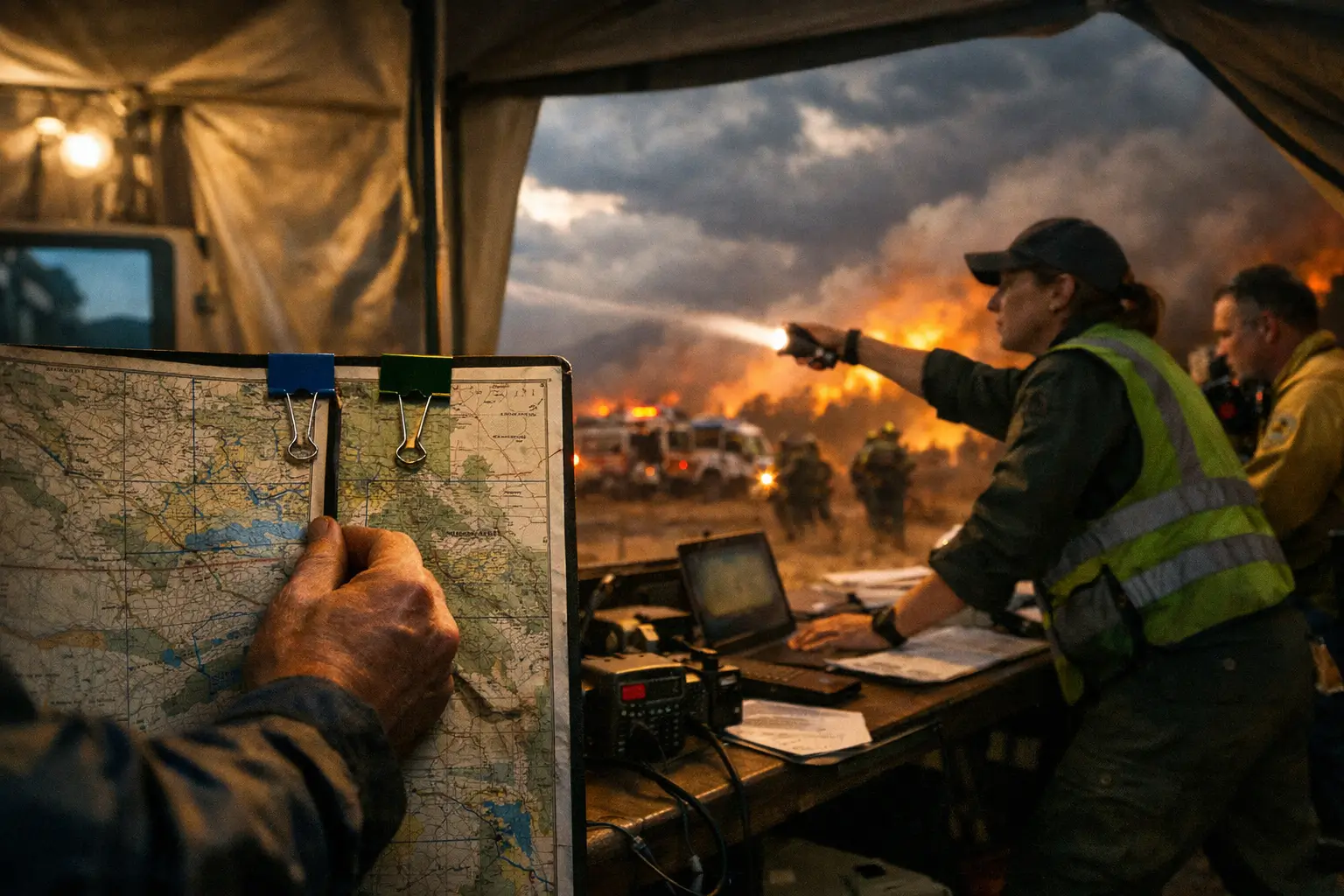
As the risk of falling victim to cyber criminals grows, decision-makers now face increasing pressure from regulators, customers and boards to prove that their organisation can withstand and recover from cyber incidents. Frameworks provide the structure and accountability to do exactly that, turning security into measurable business value. Furthermore, cyber resilience frameworks provide continuity plans for non-adversary related events, such as network disruptions, accidents, and cloud service outages, enabling businesses to continue operating despite facing difficulties.
Viewed from a practical perspective, using a Cyber Resilience framework helps leaders make smarter investments, prioritising controls that reduce downtime, protect revenue and preserve reputation. Additionally, unlike other security endeavours, good cyber resilience frameworks place a lower ongoing burden on resources and labour once put in place, yet prove critical in recovering efficiently and effectively when cyber incidents do occur. With new requirements such as the EU’s Digital Operational Resilience Act (DORA), resilience is moving from a “best practice” to a legal expectation across financial services and other regulated sectors. Customers, too, now expect transparency and assurance that their data will remain safe regardless of disruption. A cyber resilience framework can do this as it:
- Reduces operational risk and the cost of downtime
- Supports compliance with DORA and similar resilience mandates
- Improves customer trust and brand reputation
- Creates a clear roadmap for recovery and continuous improvement
 Case Study – Embedding Resilience in a Mid-Sized FS Firm
 A mid-sized financial services firm came to us after repeated system outages caused by third-party disruptions. We helped them apply a structured cyber resilience framework built around business continuity, backup validation and supplier risk management.
Within six months, they reduced recovery time by 60%, achieved full alignment with DORA requirements and restored confidence across their client base. The framework not only strengthened their defences but also gave leadership a clearer view of risk, enabling faster decisions and measurable ROI on resilience spending.
Key Takeaway A well-chosen cyber resilience framework transforms resilience from theory into action, reducing risk, meeting compliance demands and protecting your organisation’s reputation when it matters most.
🧩 Key Components

Every effective cyber resilience framework is built on a set of core components that work together to keep an organisation secure, adaptable and operational during disruption. At CyPro, we break these down into four areas – processes, controls, tools & technology, and roles & responsibilities. Understanding how each part fits together helps leaders design resilience that is practical and measurable.
Processes – The Foundation of a Cyber Resilience Framework
Processes define how your organisation anticipates, withstands and responds to cyber incidents. They form the backbone of every cyber resilience framework, ensuring consistency and clarity when pressure hits.
- Risk management routines – mapping threats and prioritising response based on likelihood and impact
- Incident response procedures – defining detection, containment and recovery actions with clear escalation paths
- Business continuity planning – ensuring essential operations continue when systems fail
- Continuous improvement loops – learning from each event to strengthen processes and reduce recurrence
Frameworks like the Cyber Assessment Framework (CAF) emphasise structured processes for managing risk and minimising impact – built around goals such as anticipate, withstand and adapt.
Controls – The Protective Measures
Controls are the tangible safeguards that reduce the likelihood and impact of disruption. They ensure the framework doesn’t just exist on paper but actively defends the organisation.
- Preventive controls – firewalls, patching, access management and privilege restriction
- Detective controls – monitoring tools and alerting for suspicious activity
- Corrective controls – backup systems, recovery procedures and redundancy.
- Resilience-by-design – embedding redundancy and segmentation from the start
These controls work best when documented, tested and reviewed annually to ensure they remain effective against the latest threats.
Tools and Technology – Enabling Visibility and Response
Technology underpins resilience by providing the visibility, automation and scalability necessary to react quickly. Our team at CyPro helps clients choose tools that align with their environment and maturity level.
- Monitoring platforms – real-time detection through SOCs or Managed Detection and Response (MDR)
- Automation systems – orchestration for triage, containment and recovery workflows
- Backup and failover – ensuring data and services can be restored with minimal downtime
- Secure architecture – cloud, network and endpoint designs that support resilience through segmentation
Technology choices should be guided by your Cyber Resilience strategy, ensuring the right balance between prevention and recovery capability.
Roles and Responsibilities – The Human Element
No cyber resilience framework works without clear ownership. Roles define who leads, manages and executes resilience across departments.
- Leadership and governance – board-level oversight to ensure resilience aligns with business goals
- Operational teams – IT and security staff implementing and testing controls regularly
- Business units – embedding resilience into everyday decisions and processes
- Partners and suppliers – extending resilience expectations across the supply chain
Frameworks such as CAF highlight governance and collaboration as core objectives, reinforcing the idea that resilience is everyone’s responsibility.
Key Takeaway The key components of a cyber resilience framework – processes, controls, technology and people – must work together to anticipate, withstand and recover from disruption. When aligned, they turn resilience from a concept into a capability that keeps your organisation moving forward.
📊 Maturity Levels: What Good Looks Like

Understanding maturity is one of the most practical ways to assess how effective your cyber resilience framework really is. Organisations evolve through clear stages – from reactive approaches shaped by luck, to proactive and predictive practices embedded across operations. At CyPro, we often use maturity models to help teams pinpoint where they stand and define what “good” looks like for them.
| Stage | Description | Indicators |
|---|---|---|
| Ad hoc | Reactive and inconsistent responses to incidents. | No formal resilience plan, limited awareness, minimal testing. |
| Defined | Basic processes and recovery plans exist but are siloed. | Policies drafted, partial implementation of response procedures. |
| Managed | Resilience is coordinated across departments with regular reviews. | Testing routines, defined roles, measurable recovery objectives. |
| Optimised | Integrated, predictive and continuously improved. | Automated monitoring, cross-functional collaboration, learning from incidents. |
Strong capability shows up as consistency, confidence and continuous learning. Weak capability usually means fragmented processes, unclear ownership and slow recovery times. Frameworks such as NIST CSF 2.0 give organisations a structured path to mature their resilience posture. Using CAF assessments helps benchmark current state and build improvement roadmaps aligned to business goals.
Our team at CyPro supports this through Security Assessments & Audits designed to identify gaps and measure progress against your chosen cyber resilience framework. Over time, maturity grows from reactive defence to proactive readiness, ensuring resilience becomes part of normal operations rather than an emergency response.
Key Takeaway True maturity in a cyber resilience framework means moving from reacting to predicting – where processes are integrated, responsibilities are clear and resilience continuously improves through testing and learning.
⚠️ Common Mistakes to Avoid When Building a Cyber Resilience Framework

Even the best-intentioned organisations can trip up when implementing a cyber resilience framework. These mistakes are often subtle and stem from misunderstanding scope, underestimating effort or failing to link resilience goals with day-to-day operations. Knowing what to avoid can save time, money and frustration down the line.
- Copying a framework without tailoring it – Many teams lift models like NIST CSF or ISO 27001 “as is”. This often fails because resilience depends on your unique business processes. We always advise adapting frameworks to your own environment to ensure relevance and effectiveness.
- Underestimating resource demand – Frameworks look simple on paper, but maintaining them requires time, budget and cross-team commitment. Without these, progress stalls and resilience remains theoretical. Planning resource early keeps momentum.
- Lack of integration with business continuity – A cyber resilience framework shouldn’t sit in isolation. When IT and continuity plans aren’t aligned, recovery becomes chaotic. Integrating both into one cohesive model ensures smoother operations during disruption.
- Failing to measure improvement – Without metrics, it’s impossible to prove resilience maturity or ROI. Tracking progress through structured reviews helps maintain accountability and demonstrate tangible results.
Case Study – Poor Framework Alignment in a Regional NHS Trust We worked with a regional NHS trust that had copied elements of a global cyber resilience framework without adjusting it to their clinical operations. The result was redundant controls, gaps in third-party risk and unclear recovery responsibilities.
Our team at CyPro simplified the framework, aligned it with their continuity plans and introduced coordinated testing cycles. Within four months, incident response times dropped by 35% and audit compliance improved across all departments.
The experience showed that customisation, not imitation, delivers real resilience.
At CyPro, we often see these pitfalls arise during early-stage resilience projects. Avoiding them requires tailoring frameworks, resourcing properly and ensuring consistent measurement – all of which we embed into our Cyber Resilience engagements. For more practical guidance, explore Cyber Project Management Is Failing – Here’s How We Rebuild It.
Key Takeaway A cyber resilience framework only works when it’s tailored, resourced and measured. Avoid copying templates blindly – build one that fits your organisation and evolves with it.
🗺️ Mapping Your Cyber Resilience Framework to Standards

When designing or refining a cyber resilience framework, it helps to see how the capability aligns with recognised standards. At CyPro, we often map resilience principles to global frameworks like ISO 27001, NIST CSF and the UK’s Cyber Assessment Framework (CAF), ensuring the approach fits naturally within existing compliance and operational structures. This high-level mapping makes it easier for organisations to demonstrate governance, continuity and recovery readiness without starting from scratch.
- ISO 27001: Clauses covering risk assessment (6.1.2), business continuity (A.17), and incident management (A.16) directly support resilience planning.
- NIST CSF: The Govern, Respond and Recover functions align closely with the core objectives of a cyber resilience framework.
- CAF: Principles such as “Governance”, “Protecting Services”, and “Minimising Impact” reflect resilience maturity expectations.
- DORA & GDPR: Both emphasise operational continuity and data protection as essential elements of resilience.
- PCI-DSS: Control requirements around monitoring and incident response reinforce the need for tested recovery processes.
Our team at CyPro helps organisations integrate these frameworks into their existing Cyber Resilience programme. By mapping compliance and resilience together, we make sure defences, governance and recovery plans work in harmony. For deeper insights on how frameworks connect, explore The Cyber Resilience Blueprint: Aligning Security with Innovation .
✅ What Organisations Should Do

Once you’ve selected or compared a cyber resilience framework, the next step is putting it into practice. Frameworks only deliver value when they translate into day-to-day actions that strengthen your ability to prepare, respond and recover. At CyPro, we help organisations turn theory into action through simple, achievable steps that build resilience where it counts.
- Review access controls – enable multi-factor authentication (MFA) across all user accounts, especially remote and admin access.
- Audit legacy systems – inventory and decommission unused devices or applications; build patch management into routine operations.
- Improve visibility – enhance logging and monitoring; consider SOC or Managed Detection & Response for faster detection.
- Define governance – assign clear roles and responsibilities, manage credential lifecycles and formalise escalation paths.
- Test recovery plans – run tabletop exercises, validate backups and simulate realistic failure scenarios using your chosen Cyber Resilience framework.
- Validate maturity – use external audits, penetration testing or a Cyber Resilience maturity assessment to benchmark progress and prioritise improvements.
Case Study – Strengthening Resilience in a UK Manufacturing Group A UK-based manufacturing group engaged us to improve its operational resilience after multiple production delays caused by IT disruptions. We guided them through implementing a structured cyber resilience framework focused on access control, patch management and disaster recovery.
By combining automated monitoring with defined governance roles, the business reduced downtime by 45% in three months and cut incident recovery time from days to hours. Staff confidence grew as tabletop exercises clarified responsibilities, and leadership gained measurable assurance that resilience was embedded across operations.
The result was a safer, more predictable production environment and a stronger culture of preparedness.
Key Takeaway A cyber resilience framework only works when applied consistently. Start with MFA, patch management and recovery testing, then build governance and monitoring around them. When in doubt, reach out to CyPro for expert support in turning resilience goals into measurable outcomes.
🔚 Embracing the Cyber Resilience Framework

The frameworks we’ve explored offer practical ways to prepare, respond and recover, turning cyber risk into an opportunity to strengthen continuity and trust. At CyPro, we help organisations embed these principles into everyday operations so resilience becomes second nature, not an afterthought.
Key Takeaway Adopting a cyber resilience framework helps organisations stay adaptable, safeguard reputation and recover faster. Proactive planning beats reactive firefighting every time.
Resilience takes effort, but the payoff is lasting stability and peace of mind. If you haven’t reviewed your posture recently, now’s the time to act. Explore our Cyber Resilience services or reach out to our team at CyPro to discuss how we can help you build a framework that keeps your business confident and ready for whatever comes next.