





What is SOC as a Service? A Security Operations Centre (SOC) as a Service is an outsourced SOC that provides continuous monitoring, detection, triage and response using people, tooling and playbooks. At CyPro, we typically see this model pair Security Information and Event Management (SIEM) with Endpoint Detection and Response (EDR) and a dedicated analyst team under Service Level Agreements (SLAs).
In the UK, national reporting underscores the role of managed detection and response: The National Cyber Security Centre has summarised recent nationally notable cyber incidents NCSC, 2025, the European Union Agency for Cybersecurity publishes the ENISA threat environment useful for SOC tuning ENISA, 2025, and industry incident patterns are captured in reports such as Verizon’s Data Breach Investigations Report Verizon DBIR, 2025.
- Quick definition: SOC as a Service is an outsourced Security Operations Centre offering continuous monitoring, detection and response under agreed Service Level Agreements (SLAs).
- Core pieces: Security Information and Event Management (SIEM), Endpoint Detection and Response (EDR), human analysts, playbooks and threat intelligence, commonly delivered by a managed provider.
- When to consider: If you need continuous cover or help meeting UK GDPR and Information Commissioner’s Office (ICO) incident reporting expectations ICO guidance.
- Common variants: Alert-only, fully managed response, or hybrid models where tooling remains customer-owned and analysts are provider-run.
Table of Contents
🛡 What is SOC as a Service?
SOC as a Service is an outsourced Security Operations Centre (SOC) provided by a third party that delivers continuous monitoring, detection and response using SIEM, EDR and human analysts. It centralises alert collection, threat hunting, incident triage and coordinated response so your in‑house team can focus on business priorities.
Core components
Security Information and Event Management (SIEM) aggregates logs and generates alerts, Endpoint Detection and Response (EDR) examines device behaviour, playbooks guide repeatable responses, and tiered analysts investigate and remediate. A managed SOC typically includes 24/7 monitoring, incident escalation, threat intelligence feeds and regular reporting.
Who provides it and how they differ
Managed security providers, managed detection and response (MDR) vendors, cloud providers such as Microsoft Sentinel partners, and specialist SOC firms all offer SOC as a Service. Differences show up in coverage (24/7 versus business hours), tooling ownership (customer versus provider SIEM), and whether the service includes active response or just alerts.
In the UK regulatory context, outsourced SOC responsibilities intersect with guidance from the National Cyber Security Centre (NCSC) and data protection duties under the Information Commissioner’s Office (ICO). The NCSC highlights the rise in nationally notable incidents and the need for robust monitoring and response NCSC, 2025. ENISA’s 2025 threat analysis shows recurring ransomware and system intrusion trends that make continuous detection important for essential services ENISA, 2026.
At CyPro, we find organisations confuse SOC as a Service with basic managed IT or log collection. The distinction is active detection and human-led response backed by playbooks and SLAs. If you need faster detection, clearer incident handoffs to regulators like the ICO, or 24/7 coverage without hiring a full SOC team, SOC as a Service is the capability to consider.
Practical next step: Map your current monitoring gaps to the SOC components above and check provider SLAs for detection time, containment actions and regulatory support.
🔍 How does SOC as a Service work?
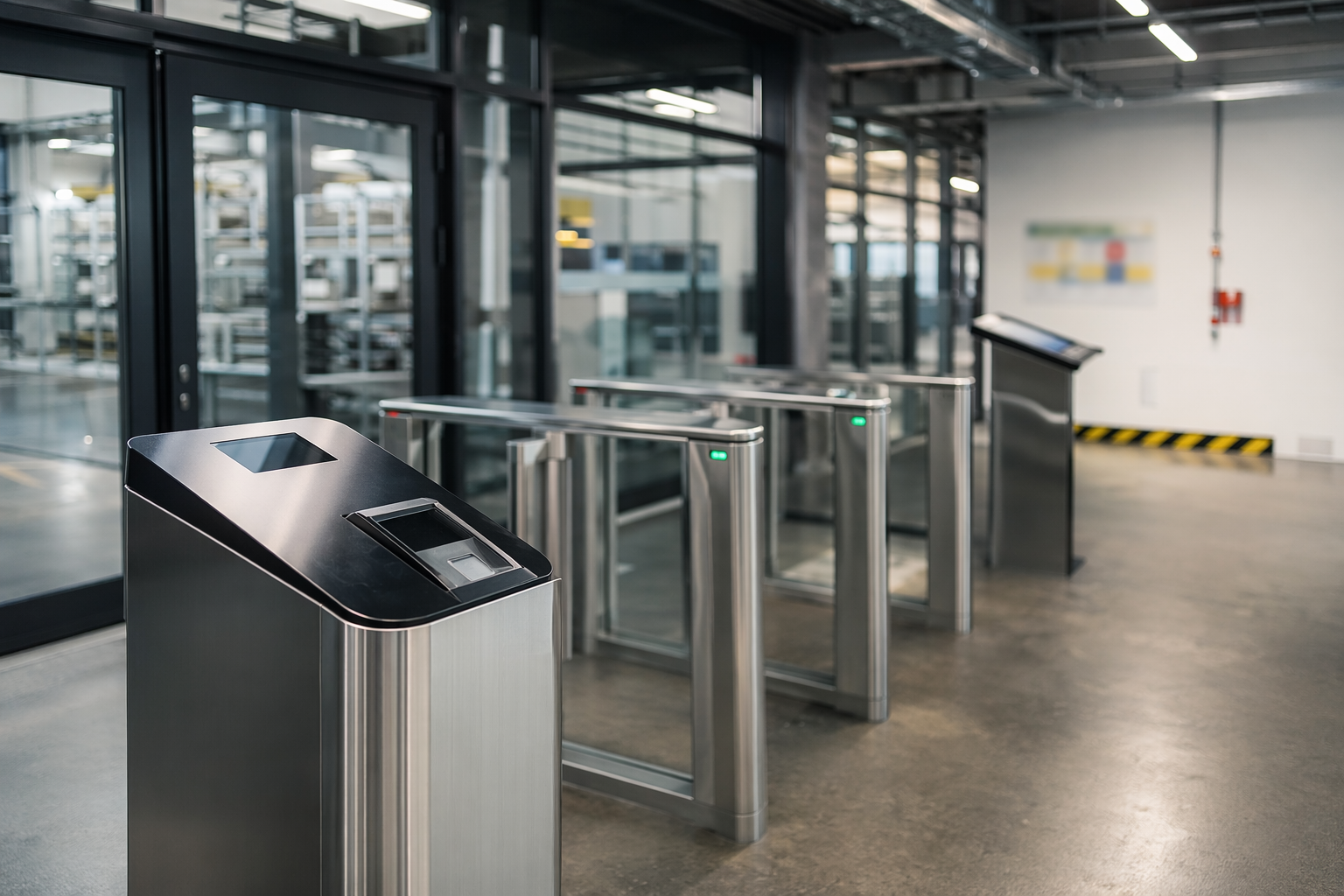
SOC as a Service works by collecting logs and telemetry, analysing them with SIEM or XDR, triaging alerts with human analysts, and executing agreed response actions under Service Level Agreements (SLAs). This model is how many organisations outsource 24/7 monitoring and incident handling.
Data collection happens via agents, cloud connectors and API feeds into a central analytics engine such as a Security Information and Event Management (SIEM) or Extended Detection and Response (XDR) platform. Normalisation, enrichment and correlation turn raw events into alerts for triage.
Technical flow and tools
Detection uses rule-based signatures, threat intelligence and behavioural analytics. A SIEM or XDR feeds alerts into a Security Orchestration, Automation and Response (SOAR) playbook or ticketing system for investigation. Analysts enrich alerts with context, escalate genuine incidents, and run containment steps such as isolating endpoints or blocking accounts. This combination of tooling and people is the heart of what is SOC as a service.
Operational models and SLAs
Providers offer 24/7, 12/7 or business-hours monitoring, and either alert-only or fully managed response. SLAs commonly specify time-to-detect and time-to-respond targets, on-call escalation paths, and reporting cadence. Organisations should map SLAs to regulatory needs such as UK GDPR evidence for breach handling and Incident reporting guidance from the Information Commissioner’s Office (ICO) ICO, 2025.
 Key Takeaway
A SOC as a Service combines automated analytics with human triage and defined SLAs so organisations gain continuous detection and coordinated response without hiring a full in-house SOC team.
Integration points and practical caveats
SOC as a Service must integrate with EDR, identity providers, cloud logs and ticketing systems to be effective. Check data residency and log retention policies for compliance. ENISA’s 2025 threat analysis highlights sector patterns you should tune detection for ENISA, 2025, and the Verizon 2025 DBIR shows system intrusion remains a dominant incident type, which shapes playbooks Verizon, 2025. In our experience, pairing SOC as a Service with internal response owners avoids handoff delays.
For practical procurement, ask providers for data ingestion methods, example playbooks, SLA metrics, and how they support regulatory evidence. If you already have a managed detection capability, a SOC as a Service can be co-managed to add analyst capacity and 24/7 coverage.
Learn more about related capabilities such as our Cyber Security as a Service offering and SOC 2 compliance support on our service pages.

🤳 Who needs SOC as a Service?
SOC as a Service is most useful for UK organisations that do not have a staffed, 24/7 Security Operations Centre and need continuous detection, triage and escalation without hiring a full in-house team.
Size, maturity and resourcing
Smaller security teams, growing technology firms and mid-market organisations often buy SOC as a Service because providers supply analysts, alert triage, playbooks and shift cover without the capital and recruitment burden of building an in-house SOC. Outsourcing makes hours of monitoring, threat hunting and escalation predictable, though total cost versus build depends on existing tooling, headcount and the level of customisation required.
Regulatory and contractual drivers
Organisations in the UK with UK GDPR obligations or that fall under the Network and Information Systems 2 (NIS2) Directive frequently need documented monitoring and incident response arrangements as part of compliance evidence. Publicly visible national trends also increase board-level pressure for monitoring: The National Cyber Security Centre (NCSC) reported 204 “nationally notable” cyber attacks in the 12 months to 31 August 2025, which drives demand for reliable monitoring and response NCSC, 2025.
Operational signals that point to buying
- Persistent slow mean time to detect or long mean time to respond reported internally.
- Difficulty hiring or retaining analysts for night shifts or specialist roles, creating coverage gaps.
- High alert volumes that overwhelm a small team, causing missed escalation and analyst fatigue.
- Customer or procurement asks for named monitoring capability during supplier due diligence.
Trust in the supplier model matters: Research into managed services highlights trust and delivery model as key buying factors, not just tooling or price Forrester, 2025. This is why buyers should check demonstrable SLAs, escalation examples and joint runbooks before committing.
At CyPro, we recommend starting with a short gap analysis of your log sources, EDR and SIEM coverage, and average alert volumes, then shortlist providers and compare hours, escalation paths and integration work. See our 24/7 Cyber Security Monitoring and Cyber Security as a Service pages for typical engagement models and handover points.
💷 How much does SOC as a Service cost in the UK?

SOC as a Service in the UK typically ranges from circa £3,000 per month for small, limited-scope packages up to £60,000 per month for enterprise, depending on scope, log volume, retention and SLA hours.
Pricing drivers
Log ingestion and retention are the biggest drivers of cost, followed by the number of endpoints covered, hours of active monitoring (12/7 versus 24/7), and whether the provider includes containment and forensics. Tool licences such as Security Information and Event Management (SIEM) and Endpoint Detection and Response (EDR) often sit with the customer or are passed through by the provider, which affects total cost. Organisations in regulated UK sectors need to check data residency and retention to meet UK GDPR and sector rules from the Information Commissioner’s Office (ICO) and the National Cyber Security Centre (NCSC).
Pricing benchmarks and models
Common price models are per-endpoint, per-gigabyte ingested, flat tiers, or hybrids. Per-endpoint models in 2026 commonly run between £8 and £25 per endpoint per month for mid-market deployments, while per-GB models vary widely by retention period. Gartner notes growing use of outcome and performance pricing in managed services, which can change the headline cost but also the contract complexity (Gartner, 2024). Sector guidance from the European Union Agency for Cybersecurity (ENISA) highlights that health and essential sectors face higher detection and response needs, which raises SOC-as-a-Service spend for those organisations (ENISA, 2025).
Practical contract elements to budget for include onboarding fees, minimum contract terms, managed detection and response (MDR) tooling pass-through licences, and change-management costs when you add new estates or cloud connectors. For organisations with partial in-house coverage, ask providers for co-managed pricing rather than fully managed rates.
| Organisation size | Typical monthly UK price (2026) | Typical inclusions |
|---|---|---|
| Small (50-250 users) | £3,000 to £7,500 | Basic SIEM, 12/7 monitoring, 30 day log retention, alert triage |
| Mid-market (250-2,000 users) | £8,000 to £20,000 | 24/7 monitoring, EDR integration, 90 day retention, incident response runbooks |
| Enterprise (>2,000 users) | £25,000 to £60,000+ | Custom SLAs, extended retention, forensic containment, dedicated analyst team |
At CyPro, we recommend collecting three priced scenarios from shortlisted providers: Minimum viable coverage, co-managed with your tools, and full managed with containment. Compare those quotes against your risk appetite, regulatory needs and the cost of hiring and retaining an in-house SOC.
For a fast next step, map covered endpoints, current log sources and retention gaps, then request priced options that show per-endpoint and per-GB line items so you can compare. If you want help drafting that RFP, see our Secure AI Adoption and Secure AI Readiness Assessment pages for examples of how we structure multi-scenario pricing requests.
🌐 What is the difference between SOC as a Service, MDR and an in-house SOC?

SOC as a Service is outsourced 24/7 SOC operations delivered by a third party; Managed Detection and Response (MDR) focuses on detection and active response tasks and often integrates with your existing tools; an in-house SOC is built and run by your organisation.
Each option differs in scope, cost, time-to-value and who owns tools and playbooks. SOC as a Service typically includes tooling, monitoring, triage and escalation under a single contract. MDR usually supplies skilled analysts, detection content and incident response playbooks but can rely on your licences. An in-house SOC requires hiring, procuring SIEM and Endpoint Detection and Response (EDR), and building 24/7 rosters or rota patterns.
| Dimension | SOC as a Service | MDR | In-house SOC |
|---|---|---|---|
| Scope | Full monitoring, alert triage, containment and vendor-managed tooling | Detection, investigation and guided response, often tool-agnostic | End-to-end control, bespoke playbooks and integrations |
| Pricing / TCO | Subscription, onboarding fees, tooling included | Per endpoint or per incident pricing, lower onboarding | High fixed costs: Salaries, licences, training |
| UK support | Local SLAs, regulatory reporting support | Variable; check UK-based analysts and SLAs | Fully local; easier regulator engagement |
| Integrations | Pre-integrated, vendor-led | Integrates with customer SIEM/EDR | Custom integrations, greater flexibility |
| Time-to-value | Weeks to months | Weeks | Months to a year |
| Suitable size | SME to enterprise without large security teams | SME to mid-market with some in-house capability | Large enterprise or regulated firms needing control |
Strengths and weaknesses
SOC as a Service strength is speed: Providers absorb onboarding and tooling costs so you get coverage quickly, but you trade some customisation. MDR strength is specialised detection and response expertise with lower cost than a full SOC, but hand-offs can slow containment if tooling is split. An in-house SOC gives maximum control and makes regulator engagement straightforward, but it is slowest and most expensive to stand up.
How they overlap and when to combine
MDR can be a component of a SOC as a Service, supplying advanced threat hunting and incident response while the SOC provider handles monitoring and escalation. Many UK organisations start with SOC as a Service or MDR and move portions in-house as maturity grows. For regulator interactions, the National Cyber Security Centre (NCSC, 2025 annual review) and ENISA guidance (ENISA publications) emphasise clear roles and escalation paths between providers and customers.
At CyPro, we recommend choosing based on control needs, budget and time-to-value. Choose SOC as a Service if you need full coverage fast; choose MDR if you want expert detection and lower cost; build an in-house SOC only when you need full control and can sustain the cost and staffing burden. For practical next steps, map tool coverage and escalation paths, then request three priced scenarios from shortlisted providers to compare real costs and SLAs.
🕒 When should you adopt SOC as a Service?
Adopt SOC as a Service when you need faster detection, lack experienced analysts, require 24/7 coverage, or face regulatory deadlines such as ISO 27001 certification or an FCA audit.
Post-breach, during rapid growth, or before a major procurement bid are common triggers. Organisations that struggle to hire senior analysts, cannot justify a full in-house Security Operations Centre (SOC), or need predictable monthly costs should prioritise managed SOC options. SOC as a Service is an outsourced capability that provides monitoring, alerting and incident response run by a third party.
Timing triggers
Common triggers to adopt SOC as a Service are: A recent security incident, merger or acquisition, a regulatory deadline, or noticeable gaps during an external penetration test. ENISA’s sector reports show essential sectors still account for a large share of incidents, so time-to-coverage matters when risk increases ENISA, 2025. IBM X-Force analysis in 2025 highlights persistent intrusion patterns that make rapid detection valuable IBM X-Force, 2025.
Short and long-term implications
In the short term, expect onboarding of telemetry, tuning of alerts and an initial surge of analyst activity for 4 to 8 weeks. Over 6 to 12 months you should see fewer false positives and faster mean time to respond. For organisations planning to build an in-house SOC later, a co-managed contract eases the transition.
 Case Study, UK mid-market legal firm cut detection time by 70% in 3 months
A UK legal firm, ~180 staff, suffered slow detection and escalating client risk after a ransomware near-miss and lacked senior SOC staff to respond quickly. They needed 24/7 coverage and clearer escalation paths.
We deployed SOC as a Service with a co-managed model, integrating their SIEM and EDR and pairing our team with their IT lead. CyPro’s Virtual CISO and 24/7 Cyber Security Monitoring services provided policy, playbooks and continuous monitoring during onboarding.
Within three months detection time fell by 70%, mean time to contain dropped from 48 to 8 hours, and the firm passed a client security review that had previously stalled deals.
📌 How to choose a SOC as a Service provider

Recommend a simple, evidence-led checklist when you choose a Security Operations Centre (SOC) as a Service provider.
Start with measurable outcomes. Ask for Service Level Agreements (SLA) that specify mean time to detect and mean time to respond, log retention periods, and whether 24/7 monitoring is included or the service is business-hours only. Require examples of detection maturity, such as a mapping of detection rules to MITRE ATT&CK techniques and a sample runbook for a ransomware suspicion so you can judge practical capability.
Data locality, compliance and legal terms
Insist on clear answers about where data will be stored and who has access. In the UK, confirm the provider can support regulatory obligations under UK GDPR and evidence handling that reflects sector threats described in ENISA threat environment 2025. Also check the provider’s experience with nationally notable incidents as discussed by the National Cyber Security Centre (NCSC, 2025), since providers who have handled large incidents will have stronger playbooks and escalation contacts.
Proof of value and technical fit
Require a time-boxed proof of value, typically 30 days, that proves end-to-end ingestion, tuning and alerting on a representative slice of your estate. Ask the provider to demonstrate integrations with your tooling, for example Microsoft Sentinel or your chosen endpoint detection platform. If you lack internal resource to evaluate technical fit, pair the engagement with a Virtual CISO to translate SLAs into your risk appetite; see our Virtual CISO page.
Commercial checks and exit planning
Contract terms should include SLA credits for missed targets, clear ownership of enriched telemetry, onboarding scope, and explicit exit and data return clauses to avoid vendor lock-in. For procurement, ask for two priced scenarios: Light monitoring and full 24/7 SOC with an optional short-term incident response retainer. See our 24/7 Cyber Security Monitoring service for how those scenarios compare practically.
Score providers on SLA strength, engineering fit, UK support, pricing transparency and demonstrable technical competence, then run the preferred provider through a short tabletop that exercises detection, escalation and evidence handover.
❓ Frequently asked questions
Do I need SOC as a Service if I already have EDR or XDR?
Endpoint Detection and Response (EDR) or Extended Detection and Response (XDR) provide telemetry and automated detections but do not replace a staffed Security Operations Centre. A SOC as a Service adds 24/7 monitoring, human triage, investigation and response under Service Level Agreements. If you lack analysts or night coverage, SOC as a Service complements EDR/XDR effectively.
How long does it take to implement SOC as a Service?
Typical implementations take 4 to 12 weeks, depending on connectors, data volume and playbook complexity. Onboarding usually covers log ingestion, tuning detection rules, runbook approvals and validation exercises. Complex estates, bespoke integrations or long retention requirements commonly push timelines toward the 12-week end.
Can SOC as a Service be integrated with existing incident response plans?
Yes, SOC as a Service should integrate with your incident response plan and playbooks. Providers must offer runbook alignment, named escalation contacts and joint tabletop exercises. During procurement, confirm who owns containment actions, evidence handling and regulatory notifications to avoid gaps in responsibility.
Is SOC as a Service suitable for regulated firms like banks or law firms?
Regulated firms commonly use SOC as a Service to meet monitoring and response expectations from the Financial Conduct Authority, the National Cyber Security Centre and UK GDPR. Verify the provider understands sector controls, data residency and audit requirements, and ask for references from financial services or legal-sector customers.
What are common pricing models for SOC as a Service?
Common pricing models include per-endpoint, per-gigabyte ingested, fixed-tier and hybrid approaches. Ask for example monthly bills for peak and average usage to avoid surprises. Clarify whether SIEM, EDR licences or third-party tooling are included or charged separately.
Contact Us