




Table of Contents
🔍 Introduction to SOC Teams

As cyber threats become more advanced and constant, knowing what a SOC team does is essential for any organisation that wants to stay secure. A Security Operations Centre (SOC) isn’t just a room full of screens – it’s the nerve centre that monitors, detects and responds to security incidents around the clock. For security leaders and decision-makers, understanding how a SOC team operates helps shape smarter, more resilient cyber strategies.
At CyPro, we work closely with organisations to strengthen their defences through services such as SOC as a Service and Managed Detection & Response. Our team, including experts such as Ellie Upson, brings hands-on experience in incident response, automation and proactive threat hunting – skills that are central to a high-performing SOC team.
In this blog, we’ll break down what a SOC team does, explore its main roles and show how it fits into a wider security approach. By the end, you’ll have a clear understanding of how these teams help protect your organisation’s assets and why building or partnering with a strong SOC team can make all the difference in today’s threat landscape.
🔐 What Is a SOC Team?

A SOC team is like the organisation’s digital watchtower. Its purpose is simple but powerful: to keep constant watch over the IT environment, spotting suspicious activity and acting quickly to contain and resolve it. Think of it as a team of security specialists working day and night to detect and address threats before they disrupt operations.
At CyPro, we see a SOC team as the operational heartbeat of cyber defence. It brings together analysts, engineers and incident responders who use advanced monitoring tools to track what’s happening across networks, devices and applications. When something unusual happens, such as a login attempt from an unexpected location or data leaving the network without permission, the SOC jumps into action to investigate and fix it.
This capability connects all the moving parts of a business’s security setup. It works alongside other security functions, such as threat intelligence, vulnerability management and compliance. Our SOC Analyst, Piranavan Kulandavelu, specialises in developing automated detection rules that accelerate and improve the precision of this process, while our Managed Detection & Response service builds on these foundations to deliver continuous, expert monitoring.
In short, a SOC team doesn’t just react to threats – it learns from them and strengthens defences over time, helping organisations stay resilient and prepared for whatever comes next.
 Key Takeaway
 A SOC team is the round-the-clock guardian of an organisation’s digital assets, combining people, process and technology to detect, respond and learn from threats – keeping operations safe and steady.
⚡ Why It Matters

For decision-makers, understanding why a SOC team matters goes beyond technical defence; it’s about protecting business continuity, reputation and compliance. A well-run SOC reduces both the frequency and impact of incidents, saving costs tied to downtime, data loss or regulatory penalties. With threats becoming more targeted and rapid, the value of real-time visibility and response couldn’t be clearer.
- Business value: A SOC team spots and stops attacks early, preventing disruption to operations and client services.
- Risk reduction: Continuous monitoring and rapid response minimise damage from breaches and insider threats.
- Compliance support: Helps satisfy requirements under frameworks like ISO 27001 and the UK GDPR.
- Customer trust: Demonstrates that an organisation takes data protection seriously, strengthening reputation.
- Future readiness: Keeps pace with evolving threat trends through automation, threat intelligence and expert insight.
Key Takeaway A strong SOC team isn’t just about defence – it’s about smarter operations, lower risk and greater confidence in meeting both business and regulatory expectations.
🧩 Key Components of a SOC Team

Every SOC team runs on a mix of people, process and technology. These elements work together to detect, analyse and respond to cyber events efficiently. At CyPro, we’ve seen that getting these components right can make the difference between quick containment and prolonged disruption. Let’s break down what each building block looks like in practice.
🔄 Processes
Processes are the backbone of how a SOC operates day to day. According to Infosecurity Europe, a SOC’s primary function is to detect, analyse and respond to cyber events using structured workflows. Clear processes ensure that the right actions happen at the right time.
- Incident detection and triage: How alerts are reviewed, categorised and assigned for investigation.
- Investigation and containment: Steps analysts follow to isolate affected systems and gather evidence.
- Response and recovery: Defined procedures for eradicating threats and restoring normal operations.
- Post-incident review: Learning from each event to refine detection rules and improve readiness.
- Reporting and escalation: SOC managers report findings to the CISO, shaping strategic decisions and compliance documentation.
🧱 Controls
Controls are the safeguards that keep an organisation’s defences consistent and measurable. They form the operational standards that guide how technology and people respond to threats.
- Access management: Restricting who can view or modify sensitive data.
- Network segmentation: Limiting exposure between systems to contain breaches.
- Log retention: Keeping detailed records for investigations and compliance requirements like SOC 2 Compliance.
- Patch and update policies: Ensuring vulnerabilities are addressed promptly.
- Automation and alerting thresholds: Preventing alert fatigue by tuning detection rules accurately.
🧰 Tools & Technology
Technology powers the SOC’s ability to see, analyse and act. The right stack gives the SOC team real-time visibility and automation capability.
- SIEM platforms: Aggregate and correlate logs from across networks and endpoints.
- EDR tools: Detect and respond to suspicious activity on endpoints.
- Threat intelligence feeds: Provide insights into emerging threats and attacker behaviour.
- Automation playbooks: Streamline repetitive tasks, improving speed and consistency.
- Monitoring dashboards: Centralised visibility across all systems, often supported by services like Managed Detection & Response.
👥 Roles & Responsibilities in a SOC Team
People bring the SOC to life. Every role has a distinct purpose, from monitoring alerts to managing the entire operation. As Splunk highlights, SOC teams include a range of specialists who manage security infrastructure and handle everything from Tier 1 analysis to advanced threat hunting.
- Tier 1 Analyst: First line of defence, handling alert triage and initial investigation.
- Tier 2 Analyst: Deeper analysis and correlation of incidents, often coordinating containment.
- Threat Hunter: Proactively searches for hidden threats using behavioural and forensic analysis.
- SOC Engineer: Maintains and configures the tools that power detection and response.
- SOC Manager: Oversees operations, hires and trains team members, and reports to the CISO.
- External support: For smaller organisations, services like SOC as a Service provide access to all these roles without the overhead of building a full in-house team.
Key Takeaway A high-performing SOC team blends structured processes, robust controls, advanced tools and skilled people to detect and respond effectively to threats – building a security operation that evolves as fast as the risks it faces.
🌱 Maturity Levels of a SOC Team

Not every SOC team starts off fully formed. Most grow through defined stages of maturity, gradually improving structure, automation and expertise. Understanding where you sit on that journey helps guide investment and training priorities. At CyPro, we often help organisations benchmark their SOC maturity through our Security Assessments & Audits, identifying gaps and shaping a path to improvement.
📈 Typical Maturity Stages
| Stage | Description | Indicators |
|---|---|---|
| Ad hoc | Reactive and unstructured. Activity depends on individuals rather than defined processes. | Alerts handled manually, limited visibility, no consistent reporting. |
| Defined | Basic procedures established for detection and response. | Playbooks exist but aren’t always followed, monitoring tools are partially used. |
| Managed | Processes standardised and regularly reviewed. Response is coordinated. | Tiered analysts operate with clear roles, incident data informs improvement. |
| Optimised | Continuous improvement through automation, threat intelligence and proactive hunting. | Tier 3 analysts perform vulnerability assessments and penetration tests while actively hunting for unknown threats. |
Progressing between stages often comes from investing in the right people and processes. Regular cyber skills training and clear SOC procedures are key enablers of growth. As teams evolve, they move from reacting to threats to predicting and preventing them, something our Managed Detection & Response service supports through continuous monitoring and expert analysis.
Key Takeaway A mature SOC team blends skilled analysts, clear processes and automation. The best teams don’t just respond – they anticipate and adapt, turning cyber defence into a proactive, data-driven practice.
⚠️ Common Mistakes to Avoid in SOC Team Roles

When setting up or running a SOC team, even well-prepared organisations can stumble into avoidable pitfalls. These mistakes often stem from unclear role definitions, poor resource planning or tech that doesn’t match operational needs. Here are some of the most common traps we see and how to sidestep them.
- Unclear Role Boundaries: SOC analysts, engineers and incident responders often overlap responsibilities. This causes confusion and slows down response times. The fix? Define responsibilities early and ensure handovers are smooth between detection, investigation and escalation.
- Underestimating Resource Needs: Many assume a few analysts can manage full 24/7 coverage. In reality, sustained monitoring demands rotation, automation and dedicated support. Our SOC 2 Compliance work often reveals how stretched teams miss alerts simply due to fatigue.
- Tech Misalignment: Using tools that don’t integrate well with existing IT environments can drown analysts in false positives. It’s crucial to choose solutions that fit operational demands and scale with business growth.
Key Takeaway A SOC team works best when roles are clear, tools align and workloads are balanced. Taking time to structure responsibilities and choose the right technology pays off in faster responses and stronger defence.
🗺️ Framework Mapping – How a SOC Team Connects to Frameworks
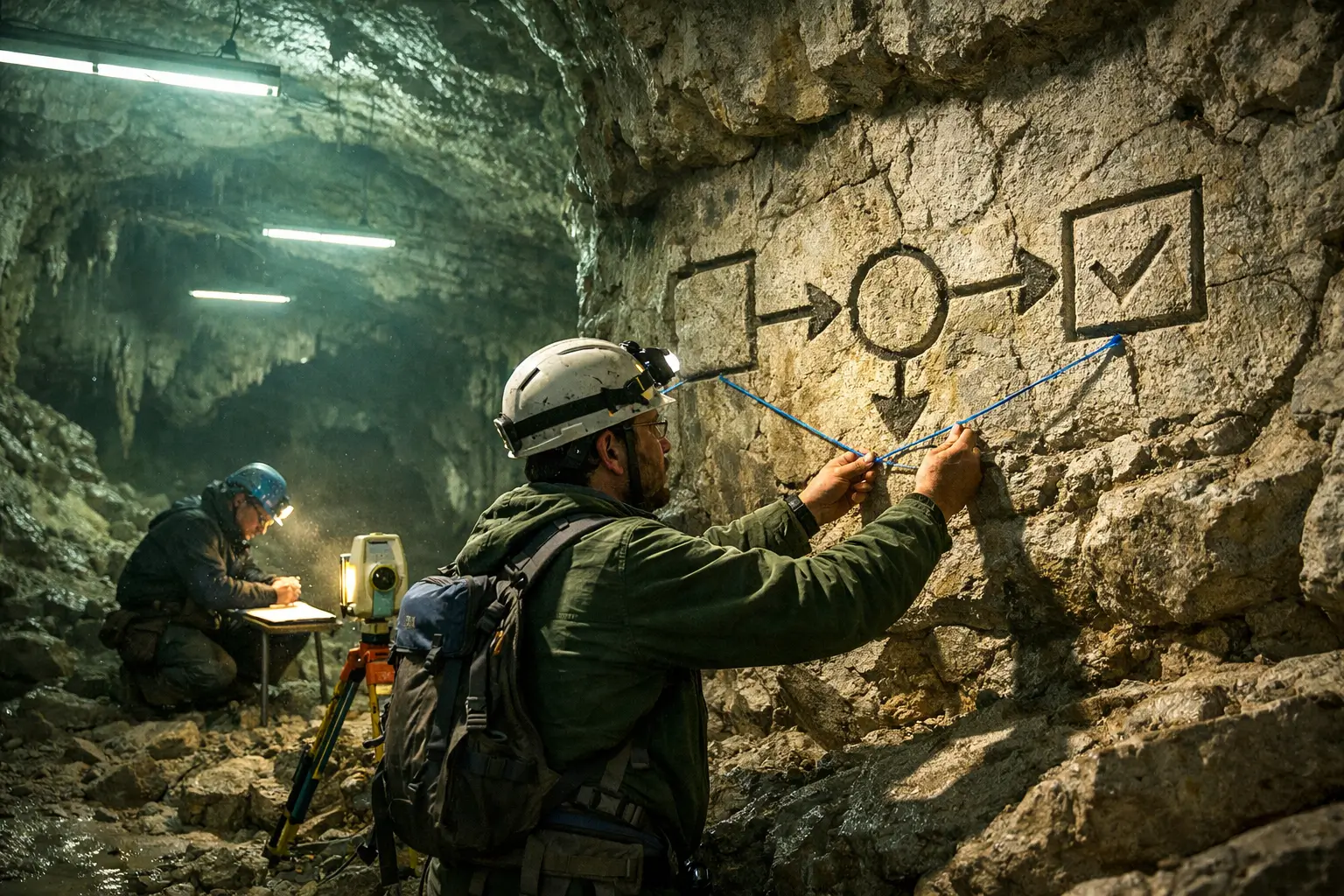
Understanding how a SOC team aligns with recognised frameworks helps compliance leaders see the bigger picture. A SOC’s monitoring, incident response and reporting functions underpin many of the controls found across ISO, NIST and the UK’s CAF. At CyPro, we often link our SOC as a Service and Managed Detection & Response solutions directly to these frameworks to make compliance easier and more practical.
 Case Study – Role Confusion at a Mid-Sized FS Firm
 We worked with a mid-sized financial services firm where the SOC team had analysts performing engineering tasks and engineers managing incident response. This blurred structure led to duplicate investigations and missed escalation paths.
Our team redefined the SOC hierarchy, introduced clear incident ownership and automated detection rules through our Managed Detection & Response service. Within three months, incident resolution time improved by 50%, and alert duplication dropped by 70%, creating a far smoother and more efficient operation.
Here’s how the capability typically maps:
- ISO 27001: Clauses 6.1 (Risk management), 9.1 (Monitoring & measurement) and Annex A.12 (Operations security) reflect SOC functions like continuous monitoring and incident handling.
- NIST CSF: Aligns with Detect, Respond and Recover functions – all core to a SOC team’s daily activity.
- CAF (Cyber Assessment Framework): Supports Principles B3 (Security monitoring), D2 (Incident management) and D3 (Resilience and recovery).
- GDPR & PCI-DSS: SOC monitoring helps demonstrate ongoing protection of personal and payment data, satisfying security and breach notification requirements.
- SOC 2 Compliance: Strengthens alignment with Trust Services Criteria such as security, confidentiality and availability – building trust with clients and stakeholders.
Our team at CyPro helps organisations connect these dots, ensuring their SOC team doesn’t just detect threats but actively supports wider compliance and assurance goals.
✅ What Organisations Should Do

Building or improving a SOC team is about making practical, ongoing changes that strengthen security operations. Whether you’re just starting or refining an existing setup, these steps help shape a more mature and resilient defence model.
- Review access controls: Enforce Multi-Factor Authentication (MFA) across all accounts, especially for remote and admin access. Regularly audit user permissions and disable unused credentials.
- Decommission legacy systems: Inventory all assets, remove outdated or unused hardware and software, and apply consistent patch management across your IT environment.
- Enhance monitoring and detection: Improve logging and alerting capabilities. Consider SOC as a Service or Managed Detection & Response to provide 24/7 visibility and faster incident response.
- Define governance: Set clear roles, responsibilities and credential lifecycles for your security and IT teams. This ensures accountability and reduces confusion during incidents.
- Run incident-response exercises: Conduct tabletop simulations to test your procedures, validate communication paths and refine recovery plans. Include backups and data restoration drills.
- Seek independent validation: External audits, penetration testing and maturity assessments reveal blind spots and improve readiness for standards like SOC 2 Compliance.
Key Takeaway Start with strong access control and asset visibility, then build detection, governance and response maturity. Partnering with experts like CyPro helps accelerate these improvements and turn your SOC team into a proactive defence capability.
🎯 Key Takeaways on SOC Team Roles

Building and maintaining a strong SOC team takes commitment, but the rewards far outweigh the effort. A SOC team is the foundation of any effective cyber defence strategy, combining skilled analysts, streamlined processes and intelligent tooling to spot and stop threats before they escalate. For decision-makers, investing in SOC capabilities isn’t just about protection – it’s about long-term resilience and confidence in your organisation’s security posture.
Key Takeaway A SOC team delivers round-the-clock defence, proactive threat hunting and continuous improvement. Investing in these capabilities builds stronger resilience and gives peace of mind that your organisation’s assets are protected.
At CyPro, we help organisations strengthen their cyber posture through services like SOC as a Service and Managed Detection & Response. If you’re reviewing how your SOC operates or exploring ways to improve detection and response, we’d be happy to guide you through the next steps. Reach out to us to discuss how we can support your goals and keep your SOC team performing at its best.