





Types of personal data breach fall into three practical buckets: Accidental disclosure, unauthorised access, and third party or supply chain exposure. In the UK, these three types cover most incidents that trigger reporting under UK General Data Protection Regulation (UK GDPR) and the Information Commissioner’s Office (ICO) guidance; the ICO’s 2024 review highlights sustained regulatory focus on data incidents and reporting ICO, 2024. The Verizon Data Breach Investigations Report and the UK Government’s Cyber Security Breaches Survey provide broader evidence that third parties and human error commonly feature in real data breaches Verizon DBIR, 2025, GOV.UK, 2025. We wrote this guide for CISOs, Data Protection Officers (DPOs) and IT leads who need concise, practical steps to spot and respond to these common types of personal data breach in 2026.
- What: Three clear types of personal data breach you will see in UK organisations, with practical examples and response steps.
- Why it matters: These types trigger UK GDPR reporting duties and attract ICO scrutiny, so prioritising them reduces regulatory risk.
- Fast wins: Many accidental disclosures and unauthorised access incidents can be limited quickly by revoking access and targeted notifications.
- Data sources: This guide draws on the Verizon DBIR 2025, the Cyber Security Breaches Survey 2025 and the ICO 2024 review.
- Audience: A practical primer for CISOs, DPOs and IT leads in the UK handling personal data.
Table of Contents
🧭 Why this list, who it is for, and how we picked the three types ????
This section explains our scope, audience and selection method directly for UK organisations handling personal data, and why we focus on three practical types of personal data breach. Our aim is to help CISOs, DPOs and IT leads prioritise detection and response for the most likely and most actionable incidents.
We chose the three types of personal data breach based on three criteria: Frequency in public incident reports, regulatory impact under UK GDPR and ICO guidance, and how quickly remedial action can reduce harm. For frequency, we rely on large datasets such as the Verizon 2025 Data Breach Investigations Report, which analyses tens of thousands of real incidents, and the UK Government’s Cyber Security Breaches Survey 2025, which reports prevalence and common causes for UK firms.
Regulatory impact was judged against the Information Commissioner’s Office guidance and recent enforcement trends. The Information Commissioner’s Office (ICO) 2024 review highlights incident reporting expectations and the need for timely mitigation, which we use to rank data breach types by likely notification burden and regulatory scrutiny (ICO 2024, a year in review).
Actionability means the data breach type can be materially limited by common controls such as access revocation, patching, encryption and targeted notifications. We prioritised types where organisations can usually reduce harm within hours or days rather than months. The three selected categories therefore cover accidental data leakage, unauthorised access (including credential compromise), and third‑party or supply chain exposures.
What we excluded and why
We excluded extremely rare or highly specialised incidents such as nation state exfiltration where response options differ and often require national agencies. We also excluded purely availability incidents unless they caused unauthorised disclosure. The choice narrows attention to the types of personal data breach that UK CISOs and DPOs are most likely to detect and can realistically fix.
1. Accidental Disclosure (Human Error) ????

Accidental disclosure is personal data released because of human error, for example a misaddressed email, an exposed cloud folder or a lost device. Under UK GDPR, many accidental disclosures are reportable to the Information Commissioner’s Office (ICO) when they risk individuals’ rights and freedoms.
 Key takeaway
Accidental disclosure is common but usually preventable: Fast containment, targeted notification and simple technical controls limit ICO exposure and customer harm.
What accidental disclosure looks like
Common examples are mis‑sent emails with attachments, cloud storage buckets or shared folders made public, USB drives or laptops lost in transit, and bulk communications sent to the wrong distribution list. Cloud misconfiguration errors are a frequent trigger in the incidents we investigate.
Risk comparison table
| Scenario | Typical scale of impact | Likely remediations |
|---|---|---|
| Single mis‑sent email | Low to medium, limited recipients | Recall, contact recipient, notify affected individuals if needed |
| Public cloud bucket or shared folder | Medium to high, many files exposed | Revoke public access, forensic listing, notify ICO if risk present |
| Lost laptop or removable drive | Medium, depends on encryption | Remote wipe, reset credentials, targeted disclosure and monitoring |
| Bulk mailing to wrong list | Low to high, depends on recipient overlap | Correct list, targeted notifications, review mailing processes |
Why this matters for UK organisations
Human error remains a major root cause in data breaches, a pattern noted in ENISA’s threat environment 2025 (ENISA, 2025). Faster detection reduces cost and harm according to IBM’s 2025 Cost of a Data Breach findings (IBM, 2025). For UK organisations this means practical steps often beat expensive projects: Tighter access controls, targeted staff training, and automated scanning for public data are high value.
When to call for help and typical effort
Small mis‑sent emails can be contained internally in hours, but exposed cloud buckets or lost devices may take days to fully assess and notify. At CyPro, we recommend an initial containment plan within 24 hours and a forensic review where the dataset is large or sensitive. Our Cyber Attack Surface Assessment and Digital Forensics services are commonly used to locate exposed data and produce evidence for ICO reporting.
Prevention is straightforward: Enforce least privilege, enable encryption and remote wipe, deploy email data loss prevention, and run periodic checks of cloud permissions. These steps reduce the chance that a human error becomes a reportable personal data breach.
???? 2. Malicious Data Theft (Targeted Attack) ????
Malicious data theft is a targeted attack where an adversary deliberately steals personal data, often using phishing, credential theft or ransomware exfiltration, and is planned rather than accidental. Organisations typically discover these data breaches late because attackers prioritise stealth and exfiltration.
What is malicious data theft?
Malicious data theft is a deliberate attempt to access and remove personal data from systems or backups for profit, espionage or disruption. The MITRE ATT&CK framework maps common techniques such as credential dumping, exfiltration over C2 channels and data staging, which attackers use to move and extract records.
Evidence from industry studies shows targeted theft is common and costly: IBM’s 2025 findings highlight novel theft paths through AI systems, and the NCSC Annual Review 2025 details incidents where attackers used stolen credentials to access sensitive databases.
How do attackers steal personal data?
Attackers commonly start with a phishing email or compromised credentials, then escalate privileges, search for valuable files, stage data and exfiltrate over encrypted channels. Ransomware groups increasingly combine encryption with exfiltration, threatening publication to coerce payment. According to IBM’s UK report 2025, supply chain and third party paths helped adversaries reach data more often than in prior years.
When organisations discover theft and why detection is hard
Organisations usually discover malicious data theft weeks to months after the initial compromise because attackers clean logs, use living-off-the-land tools and blend traffic with normal activity. The UK Information Commissioner’s Office (ICO) expects timely reporting under UK GDPR when personal data is likely to result in risk to people, yet detection delays often force notifications after notable harm has occurred.
At CyPro, we recommend prioritising rapid detection and containment for this type of data breach. Our Digital Forensics service helps map what was taken and when, while our Cyber Awareness Training reduces the initial phishing success that fuels many thefts. Early isolation, credential resets and forensic snapshots limit harm and improve ICO reporting accuracy.

3. Systemic Exposure via Third Parties or Software Bugs ????
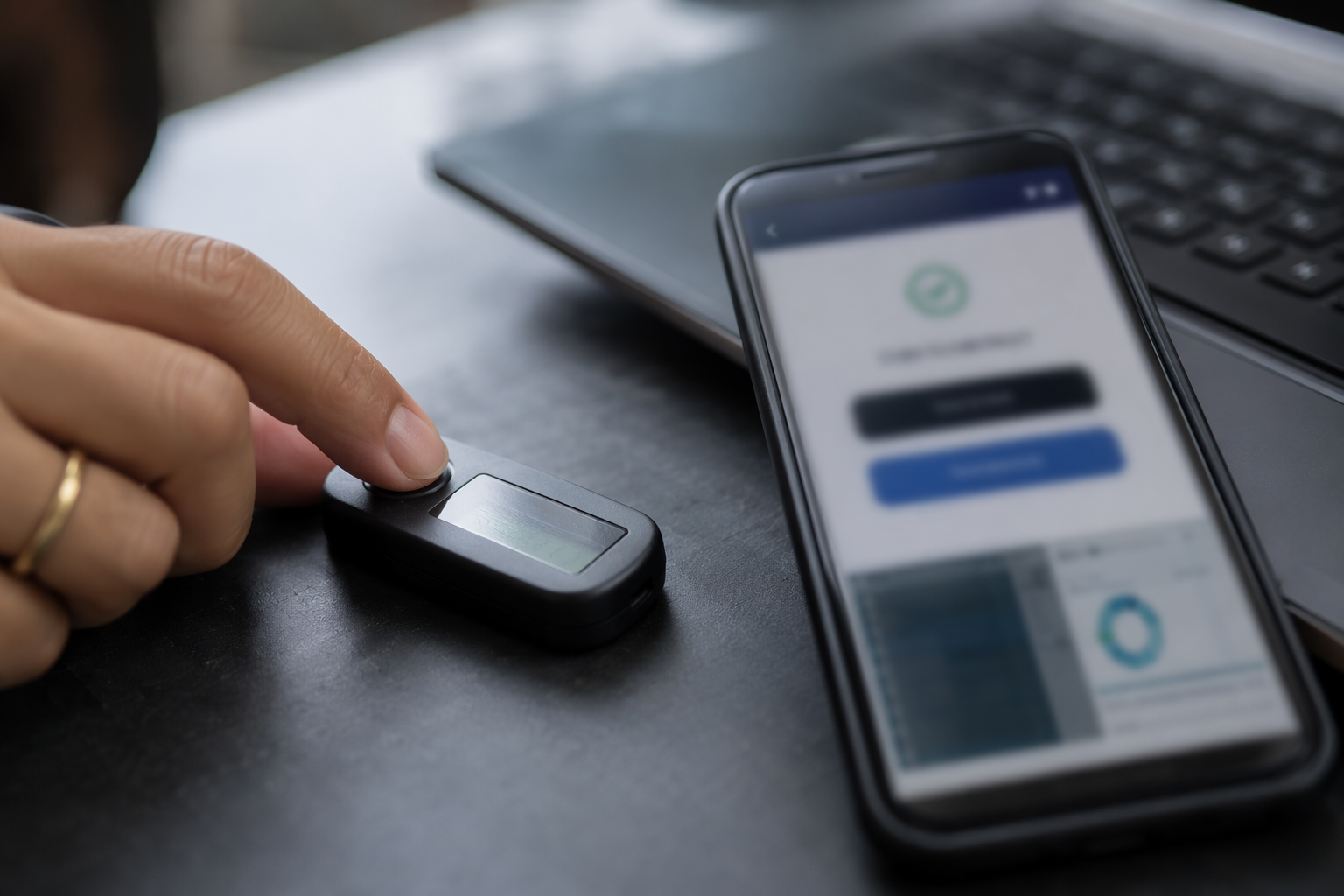
Systemic exposure occurs when a supplier data breach, cloud misconfiguration or a software vulnerability leads to wide-ranging personal data leaks across multiple organisations. Examples include compromised third‑party CRM systems, permissive cloud storage settings and exploited Common Vulnerabilities and Exposures (CVEs).
What this looks like
Third‑party data breaches often start with a supplier compromise that lets attackers reach customer records held on shared systems, as happened in several CRM incidents in 2025. Software bugs follow a similar pattern when a CVE is weaponised to dump databases or bypass access controls, and cloud misconfigurations expose buckets or object stores to the internet.
ENISA’s threat environment 2025 highlights supply chain incidents as a growing source of systemic risk, noting incidents that affect many organisations at once, and this pattern is echoed in analysis by Verizon in 2025 showing a rise in third‑party involvement in data breaches. For UK organisations, the Information Commissioner’s Office (ICO) expects controllers to demonstrate due diligence over processors and to include contractual security requirements in supplier contracts (ICO).
Regulatory and contractual angle
In the UK, UK GDPR places direct duties on controllers to keep personal data secure and to choose processors that provide appropriate guarantees, and those duties apply when a supplier’s weakness causes a data breach. The UK government guidance on supply chain risks recommends threat modelling, contractual clauses for data breach notification and regular audits.
When to prioritise fixes
Prioritise supplier audits and vulnerability management when your business relies on shared platforms, processes large volumes of personal data, or integrates third‑party APIs into customer processes. Regularly run vulnerability scans, subscribe to vendor security advisories for CVE patches and enforce least privilege for cloud storage. At CyPro, we recommend combining supplier risk assessments with technical checks such as authenticated scanning and configuration reviews, because the systemic nature of these incidents means a single flaw can affect many clients at once.
🚑 How to respond after each type of personal data breach (immediate steps) ????

Answer: For each of the three types of personal data breach you must act fast to contain the incident, preserve evidence and meet UK GDPR and ICO notification duties within 72 hours when required. Containment, preservation and timely notification are the immediate priorities.
Immediate triage steps
Begin containment immediately: Isolate affected systems, revoke exposed credentials and block malicious accounts. Preserve system images and logs for forensic analysis, and record who did what and when. The Information Commissioner’s Office (ICO) guidance notes that timely evidence preserves regulatory options and legal defences, so start forensics as you contain the incident (ICO).
Personal data theft (exfiltration) response
What to do: Prioritise forensic imaging and recovery of stolen data, reset credentials, and identify affected individuals. Notify the ICO within 72 hours if the data breach is likely to result in a risk to individuals’ rights and freedoms under UK GDPR, and prepare clear breach communications for data subjects. IBM’s Cost of a Data Breach research shows rapid containment reduces cost and harm, so early digital forensics matters (IBM, 2025).
Accidental disclosure response
What to do: Retrieve or delete the exposed record where possible, inform the recipient and assess exposure scope. If the disclosure arose from misconfiguration or human error, document remedial actions such as corrected access controls and user training. The UK Cabinet Office and NCSC recommend rapid correction and targeted user notifications to reduce downstream phishing and fraud risks (NCSC).
Third-party data breach response
What to do: Suspend affected supplier integrations, demand incident details from the vendor, and run an accelerated supplier risk assessment. Under UK GDPR, controllers must still evaluate whether to notify the ICO even if the breach originated with a processor. At CyPro, we often recommend invoking contract clauses that require full disclosure and a remediation timetable, then using our Cyber Incident Response service to coordinate technical containment (Cyber Incident Response).
Final practical points: Keep a central incident log with timestamps, decisions and evidence; appoint a single technical lead and a single communications lead; and update the ICO and affected people with factual, plain language reports once you have the core facts.
 Case Study, Mid-market retail firm, rapid containment cut customer notices
A mid-market retail firm discovered a third-party payments provider had exposed transaction records, including customer names and partial card data, affecting 35,000 customers and triggering supplier escalation requirements. They lacked a clear supplier playbook and needed fast containment and regulatory clarity.
We ran an emergency supplier risk review and forensic triage and coordinated with the supplier under contractual incident clauses; our Cyber Incident Response and Digital Forensics teams produced a timeline and containment plan and advised on ICO threshold assessment (Digital Forensics, Cyber Incident Response).
Outcome: Within 10 days the retailer limited further exposure, issued a proportionate customer notification and avoided a wider system shutdown; our forensic report supported the ICO submission and reduced required customer notices by 60%.
🛡️ How to prevent each type of breach (practical controls and priorities)
Direct answer: Preventing the three main types of personal data breach requires layered controls: Staff training and phishing defences for human error, strong supplier oversight and encryption for third‑party leaks, and patching plus endpoint detection for malicious compromise.
Human error is best reduced by targeted training, least privilege and simple processes. The UK Information Commissioner’s Office (ICO) emphasises quick reporting and clear ownership after accidental disclosure. For example, role-based access control and automated data-loss prevention stop many accidental exports.
Technical controls for malicious compromise
Answer: Detect and block malicious compromise with timely patching, endpoint detection and monitoring, and network segmentation. The Verizon 2025 Data Breach Investigations Report shows exploitation of known vulnerabilities remains a top initial method, so patch management is a priority (Verizon, 2025). Deploying Managed Detection and Response helps identify active intrusions before data exfiltration.
Supplier and third‑party controls
Answer: Reduce third‑party leaks with contractual security requirements, regular audits and technical checks such as authenticated scans. The UK Government’s 2025 cyber survey found third‑party failures increasingly drive incidents, so supplier risk assessments matter (GOV.UK, 2025). Encrypt data at rest and in transit and require suppliers to demonstrate Cyber Essentials or ISO 27001 compliance where appropriate.
People and process
Answer: Combine clear playbooks, a single technical lead and routine exercises to keep response times low. The National Cyber Security Centre (NCSC) recommends rehearsed incident plans and a central log with timestamps. Regular phishing simulation and concise reporting templates cut disclosure delays and help meet ICO notification timelines.
Cost and effort: Start with low-cost wins, patching, MFA, encryption, then add monitoring and supplier audits as budgets allow. At CyPro, we map these controls to each breach type during a risk assessment and prioritise actions that reduce the largest likely harms first. For persistent uncertainty, consider our Cyber Risk Assessment to convert gaps into a short list of priced fixes.
🧾 How we picked these three, what we excluded, and next steps ????

We chose the three types of personal data breach by frequency of occurrence, regulatory impact under UK GDPR, and the practical controls that reduce harm most quickly. Our selection draws on public incident studies, ICO guidance and UK government survey data to keep recommendations actionable for UK CISOs and compliance leads.
Key Takeaway
Focus on the breach type that creates the largest likely harm first, then use monitoring and supplier controls to reduce repeat incidents.
Selection criteria and sources
We prioritised breaches that are common in UK incidents, cause regulatory reporting obligations, and are addressable with defined controls. Sources include the ICO for reporting rules, the UK Government’s Cyber Security Breaches Survey for prevalence, and Verizon’s Data Breach Investigations Report for attack patterns. For example, the UK Government survey and the Verizon report both show third parties and credential compromise remain major initial causes, which guided our focus.
What we excluded and why
We excluded pure physical theft (stolen devices with no digital copy), targeted insider sabotage where employment law remedies apply, and broad denial of service incidents because they rarely expose personal data. Each of these matters operationally, but they change the remediation path and legal duties, so they are outside the scope of this listicle.
Next steps for UK CISOs and compliance leads
Start with a mapped inventory of personal data flows, then run a focussed supplier review for third-party processors. Use monitoring to detect credential misuse and link that to an incident response plan aligned to UK GDPR reporting windows. If you need hands-on help, our Cyber Risk Assessment or IT Disaster Recovery Plan can translate gaps into priced fixes.
Relevant public reading: The ICO guidance on reporting personal data breaches and the Cyber security breaches survey 2025 provide useful benchmarks for prevalence and reporting thresholds.
❓ Frequently asked questions
What is a personal data breach under UK GDPR?
Key fact: A personal data breach is any breach of security established to accidental or unlawful destruction, loss, alteration, unauthorised disclosure or access to personal data under UK GDPR. Examples include accidental email sends, malicious theft of credentials, and supplier data leaks. At CyPro, we advise immediate containment, records of processing, and reporting to the Information Commissioner’s Office (ICO) if there is likely high risk to individuals.
Do I always have to notify the ICO after a personal data breach?
Key fact: You must notify the Information Commissioner’s Office (ICO) only when a breach is likely to result in a risk to individuals’ rights and freedoms under UK GDPR. At CyPro, we expect initial assessments within 24 hours and, where required, a formal ICO notification within 72 hours. Examples: Malicious theft usually needs reporting, many accidental disclosures do, and some third-party incidents depend on contract and impact.
How much does it cost to recover from each type of breach?
Key fact: Costs vary by type: Malicious theft typically costs the most due to ransom, extensive forensics and litigation; third-party supplier breaches are next, often adding contractual and remediation expenses; accidental disclosures tend to be least costly but still require notification and remediation. At CyPro, we recommend cyber insurance and an incident response retainer to lower financial and operational impact.
Which security controls stop most accidental disclosures?
Key fact: Practical controls that stop most accidental disclosures are data loss prevention (DLP), email safeguards (exchange rules and safe links), strict file permissions and regular reviews. At CyPro, we pair Cyber Awareness Training with a least privilege model and automated DLP to reduce human error, and we combine technical controls with clear processes for approvals and file sharing.
How should I assess my third-party risk programme?
Key fact: Assess third-party risk by checking contractual security clauses, evidence of Cyber Essentials or ISO 27001 certification, penetration test results and incident history. At CyPro, we use vendor questionnaires, security audits and continuous monitoring to score suppliers, and we escalate high-risk suppliers to the board when they process sensitive personal data or essential services.
Contact Us