






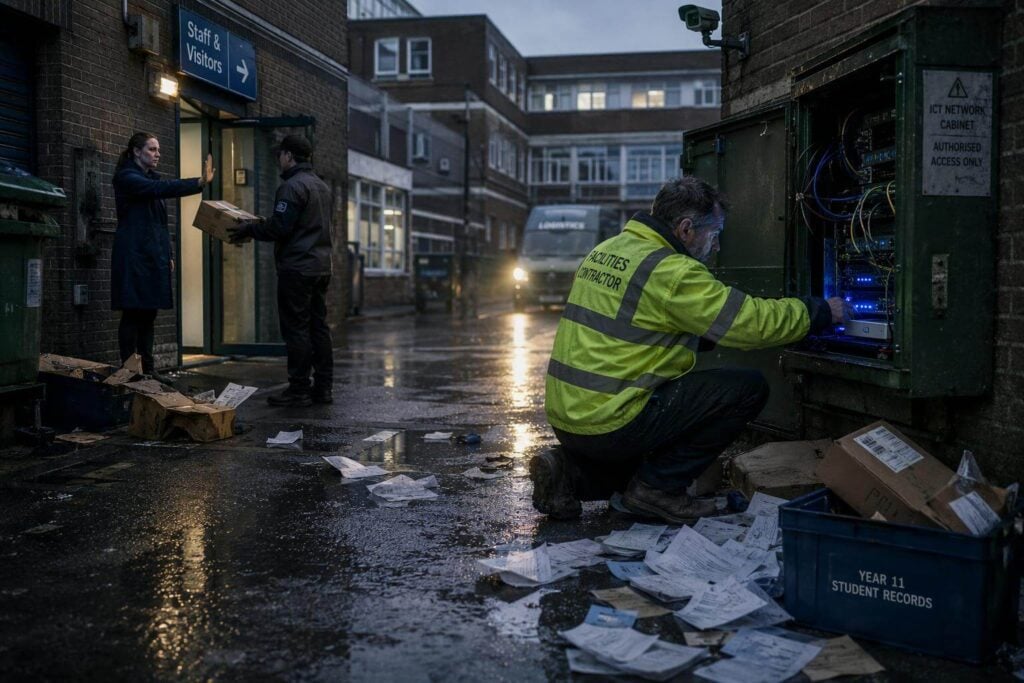
The Department for Education data breach has resulted in sensitive data being exposed on the dark web. This event has raised concerns across the UK education sector, as schools, providers and suppliers could be at risk from follow-on phishing and fraud attempts.
Department for Education Breach: What Happened?
In early June 2024, it was reported that the Department for Education (DfE) suffered a security breach. According to initial findings, attackers successfully compromised systems holding sensitive data. The breach was confirmed when confidential information appeared for sale on dark web marketplaces. The incident has already prompted warnings for all UK education sector organisations to be on heightened alert.
Timeline and Discovery
- June 2024: Suspicious activity detected within DfE IT systems.
- Early June 2024: Authorities confirm a breach following reports of data appearing on the dark web.
- Shortly after: Security teams moved to contain the breach and assess the scale of information exposed.
While the precise entry point is yet to be disclosed, early indications suggest attackers gained unauthorised access through compromised credentials or an unpatched vulnerability, allowing them to move laterally inside DfE networks.
What Data Was Exposed?
The breach has led to the exposure of sensitive data, though exact details remain under investigation. Reports indicate a mix of personal and organisational data is now circulating on illicit forums. This could include:
- Staff and student contact information
- Internal emails and correspondence
- Records relating to schools and education providers
- Supplier and contractor details
With this data now in criminal hands, affected individuals and organisations face an increased risk of targeted phishing attacks and fraud schemes.
Who Is Affected by the Department for Education Breach?
The impact of the Department for Education data breach is not limited to a single group. Schools, colleges, education providers, their staff, students and suppliers may have had information compromised. As the DfE oversees a wide range of educational bodies across England, the potential scale extends nationally.
Third party suppliers working with the DfE, as well as local authorities and service delivery partners, could also find their details exposed. The breach may facilitate social engineering or fraud attempts targeting anyone listed in the stolen data sets.
Products and Systems Targeted
Details of which internal systems or products were compromised have not been made public. However, the breadth of the leak suggests that core databases and email systems were at least partially affected. The attackers’ ability to access and exfiltrate varied types of data points to a significant system compromise.
How the Attack Worked and Exploitation Status
While the technical details are still being pieced together, the DfE security breach appears to have involved one or more of the following:
- Phishing attacks to steal login credentials from staff
- Exploitation of unpatched vulnerabilities in web portals or internal software
- Insufficient access controls allowing lateral movement
Once inside the network, the attackers likely escalated privileges and exfiltrated sensitive files over an extended period. The breach was only discovered when large data sets surfaced on the dark web, suggesting the exfiltration phase had concluded before detection.
Current reports confirm that criminal actors are actively selling or sharing the stolen data. This increases the likelihood of widespread exploitation, with attackers launching phishing campaigns or fraud attempts tailored to the education sector.
Ongoing Investigations and Response
The Department for Education, working with the National Cyber Security Centre and law enforcement, is conducting a thorough investigation. Immediate containment measures have been enacted, and affected organisations are being notified where possible. The investigation is ongoing and the full extent of the breach is not yet known.
Why the Department for Education Data Breach Matters
This breach is significant for several reasons:
- The Department for Education is a critical government body holding data on millions of students, staff and suppliers.
- Exposure of sensitive information increases the risk of targeted attacks, identity theft and fraud across the UK education sector.
- Trust in the security of public sector data is undermined, potentially impacting collaboration and digital transformation efforts.
Steps for Organisations in the Wake of the Breach
Education providers, suppliers and related bodies should take these immediate actions to reduce risk:
- Be vigilant for phishing emails or unusual communications referencing Department for Education business.
- Review and strengthen access controls, especially for remote and third-party access.
- Monitor systems for suspicious activity and report incidents promptly.
- Verify the authenticity of requests for sensitive data or payments.
Following these steps can help mitigate the risk of secondary attacks, which are likely following this type of high-profile breach.
Originally reported by The Times.

