





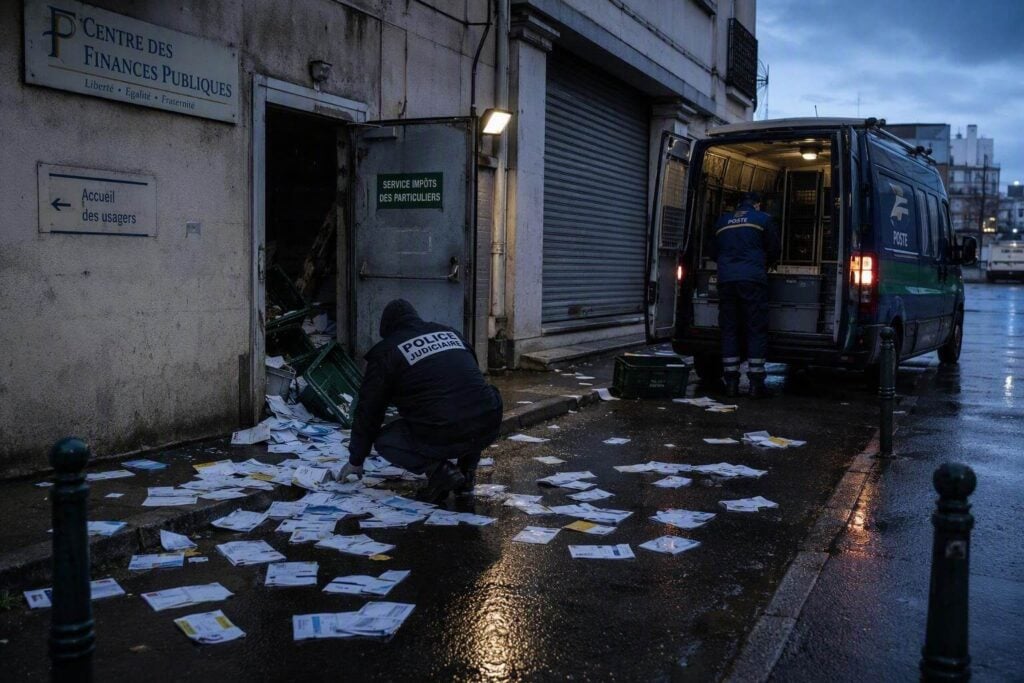
The French taxpayers’ data breach confirmed by the French Finance Ministry has raised serious concerns across the EU. The breach, which exposed sensitive taxpayer information, could fuel phishing and social engineering attacks targeting individuals and organisations. The incident highlights the ongoing risks posed by cyber attacks on government systems.
Details of the French Taxpayers’ Data Breach
The French Finance Ministry announced that a cyber attack had resulted in the theft of taxpayer data. Although officials have not yet disclosed the full scope of the breach, it is clear that sensitive information managed by the French tax authorities was accessed by unauthorised parties. The incident is believed to have occurred in late June 2026, with detection and public confirmation following shortly afterwards.
The attack reportedly targeted databases holding personal and financial records of French taxpayers. The Ministry has not specified the exact number of records compromised, but the breach is widely regarded as significant, given the scale of France’s tax administration and the type of data involved. Taxpayer information typically includes names, addresses, national identification numbers, fiscal data and possibly banking details.
There is no current evidence that specific products or third-party platforms were exploited. Instead, the breach appears to have resulted from a direct compromise of internal government systems, possibly through phishing or credential theft. The Finance Ministry has stated that technical investigations are ongoing and that affected taxpayers will be notified as more information becomes available.
How the Attack Was Carried Out
While French authorities have not yet published technical details, several factors suggest the attackers used classic cyber crime techniques. Given the nature of the data accessed, it is likely that attackers exploited weak authentication or compromised staff credentials. Once inside, attackers could have used established tools to exfiltrate large volumes of data.
Common methods for such breaches include:
- Phishing campaigns targeting government employees
- Exploitation of unpatched vulnerabilities in internal applications
- Credential stuffing attacks using leaked or weak passwords
- Insider threats or misuse of privileged access
The attackers’ objectives are presumed to include financial gain, either through direct fraud, sale of stolen data or by launching secondary attacks such as tax-themed phishing campaigns. The exposure of taxpayer data provides a rich source of information for constructing convincing social engineering lures.
Timeline and Current Exploitation Status
The breach is believed to have taken place in late June 2026, with French authorities detecting suspicious activity shortly thereafter. The Finance Ministry moved to contain the breach and launched an internal investigation. Public confirmation of the incident was issued within days, indicating the seriousness of the event and the need for transparency.
As of the latest updates, there have been no public reports of the stolen data being leaked or sold on cyber crime forums. However, the Ministry has warned that attackers may attempt to use the information for targeted phishing or fraud. Taxpayers in France and the wider EU are being advised to remain vigilant for unsolicited emails and suspicious communications claiming to be from tax authorities.
The French government is working with cybersecurity agencies to assess the impact and strengthen defences. Notification of affected individuals is ongoing, in line with GDPR requirements. The breach has also prompted renewed calls for enhanced security measures across public sector organisations handling sensitive data.
Why This Data Breach Matters
The French taxpayers’ data breach demonstrates the growing targeting of government systems by cyber criminals. The exposure of personal and financial data increases the risk of identity theft, fraud and highly effective phishing attacks, not only in France, but potentially across the EU. The incident underscores the need for robust authentication, prompt patching of systems and effective user awareness training within public sector organisations.
Actions for Organisations in the UK and EU
- Monitor for phishing or tax-themed lures referencing the French breach
- Remind staff to be cautious with unsolicited communications requesting sensitive information
- Ensure strong password policies and multi-factor authentication are in place, especially for access to financial and personal data
Organisations should remain alert to secondary attacks resulting from this breach, especially those in finance, public sector and professional services.
Originally reported by marketscreener.com.


