





Romanian hospitals cyber attack brings healthcare operations to a halt
The Romanian hospitals cyber attack forced over 100 healthcare facilities to switch to pen and paper for four days. This major incident disrupted patient care and exposed systemic vulnerabilities in the sector. The attack highlights why healthcare organisations must prioritise cybersecurity and prepare for operational disruptions.
What happened during the Romanian hospitals cyber attack?
Scope and impact of the attack
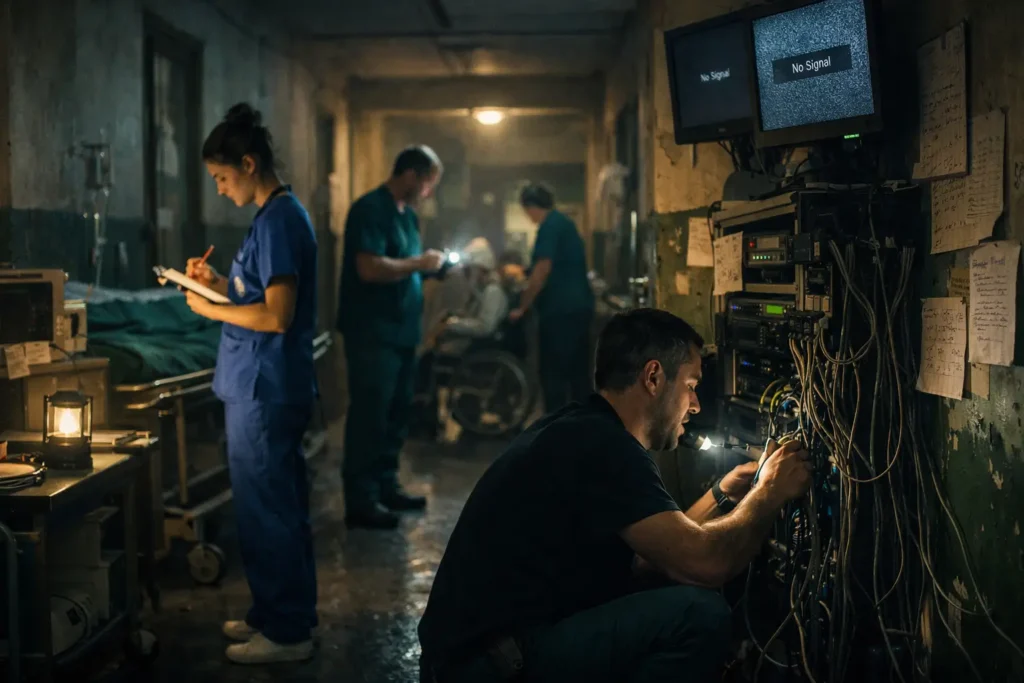
In early June 2024, a coordinated cyber attack targeted Romania’s national healthcare IT systems. According to reports, more than 100 hospitals were affected, with staff forced to revert to manual processes. The attack compromised digital medical records, appointment systems and billing functions. Hospitals lost access to essential data, creating delays in care and administrative confusion.
Response and recovery efforts
Cybersecurity experts worked around the clock to contain the breach and restore systems. For four days, healthcare staff relied on pen and paper for everything from patient intake to prescriptions. Recovery involved restoring backups, segmenting networks and checking for lingering threats before bringing systems back online.
- Over 100 hospitals affected
- Four days of offline operations
- Pen and paper manual processes
- Disrupted patient care and administration
- Coordinated response from IT and security teams
Why the Romanian hospitals cyber attack matters
Operational disruption puts patient safety at risk
The Romanian hospitals cyber attack demonstrates the real-world risks when healthcare systems are compromised. Delays in accessing medical records can impact diagnosis and treatment. Manual processes increase the chance of errors, with staff under pressure and information harder to share. Patient safety relies on system resilience and rapid recovery.
Healthcare is a prime target for cyber threats
Hospitals hold sensitive patient data and run critical infrastructure, making them attractive targets for hackers. Cyber attacks on healthcare can be financially motivated (ransomware) or aimed at causing disruption. The Romanian incident shows that attackers can cripple national services, forcing organisations to fall back on outdated methods.
Lessons for other sectors
While this attack focused on healthcare, the lessons apply across industries. Any organisation reliant on IT systems must plan for downtime and understand operational risks. The incident highlights the importance of robust cybersecurity, tested contingency plans and regular staff training.
How organisations can protect against healthcare cyber attacks
Build strong cybersecurity foundations
Organisations must prioritise cyber hygiene and resilience. The Romanian hospitals cyber attack underscores the need for layered security, regular patching and network segmentation. Healthcare providers should work with partners to assess vulnerabilities and implement best practices.
Prepare for downtime and ensure continuity
- Maintain reliable, regularly tested backups
- Segment networks to limit the spread of attacks
- Develop and test manual procedures for critical operations
- Conduct regular incident response exercises
- Train staff on recognising threats and responding to cyber incidents
Collaborate and share threat intelligence
Healthcare organisations must cooperate with national authorities and industry peers. Sharing threat intelligence improves collective defences. In Romania, coordinated efforts between IT staff, cybersecurity experts and government agencies were essential to recovery.
Review and update response plans
Cyber attacks evolve rapidly. Organisations should review and update incident response and business continuity plans regularly. Lessons from the Romanian hospitals cyber attack should inform future planning and investment.
Key takeaways for healthcare cybersecurity
- Healthcare is a high-value target for cyber criminals
- Operational disruption can quickly impact patient care and safety
- Manual backup processes are essential, but should be regularly tested
- Resilient systems and coordinated response are vital for recovery
- Continuous improvement is needed to keep pace with evolving threats
Real-world consequences of cyber attacks
The Romanian hospitals cyber attack shows that cybersecurity is not just an IT issue. It affects every aspect of an organisation’s operations, from patient care to administration. Investing in resilience can prevent costly disruptions and protect lives.
Preparing for the next attack
Healthcare organisations should use this incident as a wake-up call. By strengthening security, testing downtime procedures and training staff, organisations can minimise the risk and impact of future attacks.
Originally reported by bbc.com.

