




Trusted SOC 2 Audit Readiness | Clear Path to Certification
SOC 2 is often the difference between stalled procurement and closed enterprise deals. We help UK businesses achieve SOC 2 compliance through practical gap analysis, audit preparation, and ongoing support, so you can move faster in sales and security reviews.


What is SOC 2?
SOC 2 (Service & Organisation Control 2) is a security and trust framework created by the AICPA. It’s used by service providers to demonstrate that customer data is protected through well-designed and consistently operating controls.
A SOC 2 report focuses on how an organisation manages risk across the Trust Services Criteria:
-
Security (required) – access control, monitoring, incident response, and vulnerability management
-
Availability – system uptime, resilience, and disaster recovery
-
Processing Integrity – systems operate as intended
-
Confidentiality – sensitive data is protected and handled appropriately
-
Privacy – personal data is collected, used, and retained responsibly
SOC 2 is most commonly used by SaaS companies and service providers that process, store, or transmit customer data and need to provide evidence of their security posture during procurement or third-party risk reviews.
In the UK, it is often pursued alongside ISO 27001, particularly by organisations selling into enterprise environments or international markets.
At CyPro, we don’t treat SOC 2 as a box-ticking exercise. We help organisations scope the right criteria, close real security gaps, and prepare for audit in a way that supports growth, procurement, and customer trust.
Also Known As
You may also see it written as SOC2. This refers to the same framework.
SOC 2 Compliance Checklist
ContACt UsSecurity (Common Criteria — required)
1. Strong access controls (least privilege, MFA, joiner/mover/leaver)
2. Encryption in transit and at rest (where applicable)
3. Secure configuration and network controls (firewalls, segmentation)
4. Vulnerability management (scanning + patching cadence)
5. Central logging and monitoring (with alerting)
6. Incident response plan + evidence of testing
7. Security awareness training (and tracking completion)
8. Supplier / third-party risk checks for key vendorsAvailability (if in scope)
1. Uptime / service monitoring and alerting
2. Backups and restore testing
3. Disaster recovery plan (roles, RTO/RPO targets)
4. Capacity planning and performance monitoringConfidentiality (if in scope)
1. Data classification and handling rules
2. Secure sharing and retention controls
3. Restricted access to sensitive datasetsPrivacy (if in scope)
1. Clear privacy notices and data subject processes
2. Data retention and deletion procedures
3. Controls over collection and processing of personal data
What's Included in SOC2 Readiness Services?
Practical, end-to-end support to take you from initial scoping through to audit-ready, focused on real controls, defensible evidence, and reducing friction in security reviews.

Scope Definition
We help you determine which systems and services fall under SOC 2, focusing efforts on the areas that matter most to your stakeholders.

Risk & Gap Analysis
Our team reviews your existing controls and identifies where improvements are needed, prioritising key issues to address.

Policy Development
We create or refine essential documentation, ensuring your organisation’s processes match SOC 2 criteria and uphold high security standards.

Control Alignment
Our experts recommend and implement tools that monitor, protect and manage data, supporting the Trust Services Criteria, such as security and confidentiality.

Internal Audit Preparation
We conduct readiness assessments and document reviews to prepare your organisation for a successful certification audit, then guide you through the process.

Compliance Support
We provide ongoing support, helping you adapt to new regulations, maintain robust controls and keep SOC 2 compliance up to date.
Why Businesses Choose SOC 2
Tight Deadlines

Time pressures such as renewing contracts or securing new partnerships can often drive the need for compliance. Attempting to achieve this standard without adequate expert guidance can lead to errors and business delays.
In-House Expertise

SMBs may lack the resources to deploy a team of experts to oversee the compliance process. Understanding the compliance principles and how they apply to your unique business can be complex and overwhelming.
Shifting Client Demands

As your business scales and client expectations grow, the ways in which you prove your security practices evolve. Meeting this shift in demands requires cyber security measures that are scalable and to a high standard.
Accurate Scoping

SOC 2 compliance requirements are based on the Trust Services Criteria (TSC) which can be complex and require tailoring to an organisation’s specific business operations. Determining which criteria are relevant to the scope can be difficult without expert support.
Tight Deadlines
Time pressures such as renewing contracts or securing new partnerships can often drive the need for compliance. Attempting to achieve this standard without adequate expert guidance can lead to errors and business delays.
In-House Expertise
SMBs may lack the resources to deploy a team of experts to oversee the compliance process. Understanding the compliance principles and how they apply to your unique business can be complex and overwhelming.
Shifting Client Demands
As your business scales and client expectations grow, the ways in which you prove your security practices evolve. Meeting this shift in demands requires cyber security measures that are scalable and to a high standard.
Accurate Scoping
SOC 2 compliance requirements are based on the Trust Services Criteria (TSC) which can be complex and require tailoring to an organisation’s specific business operations. Determining which criteria are relevant to the scope can be difficult without expert support.
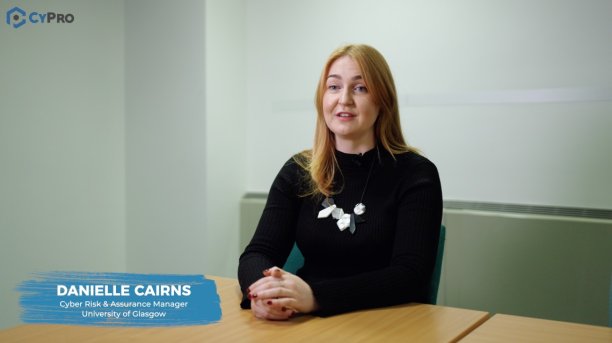
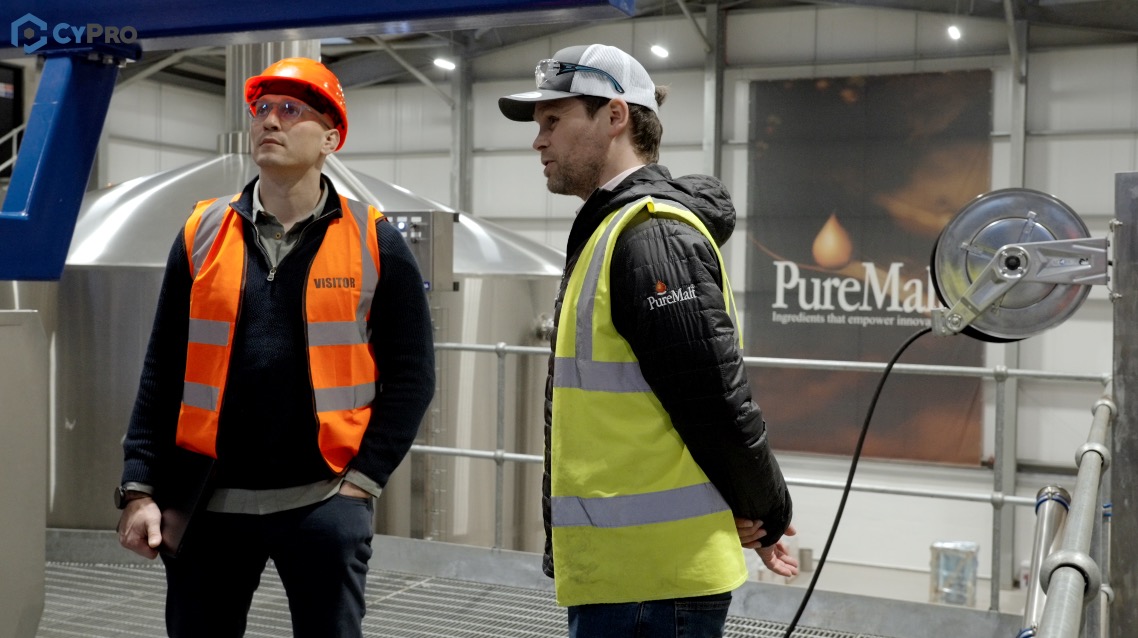
What Our Clients Say


Benefits of SOC2 Compliance
Our compliance service supports your organisation in building trust amongst clients and staying competitive in today’s security-conscious markets.
Speak to an Expert
Book a discovery call to get insights on how to overcome your cyber security challenges.
Book Here
Enhanced Client Trust
With achieving the SOC 2 standard, this shows your clients that you take data protection seriously and that you have a proven ability to safeguard their sensitive information. This fosters client trust within your organisation and lets you build stronger relationships.
Streamlined Operations
A robust framework for cyber security created through the process of achieving compliance, meaning that these practices not only reduce risk but also enhances efficiency across your organisation.
Regulatory Alignment
Your security practices will be aligned with other regulatory requirements and industry standards such as UK DPA, GDPR, HIPPA, ISO 27001 (amongst others) when achieving compliance.
Proactive Risk Mitigation
With regular risk assessments and security monitoring, SOC 2 enables organisation to proactively identify risks and vulnerabilities before they become incidents or breaches.
SOC 2 Type 1 vs Type 2
This is the most common SOC 2 question, and it impacts timeline, cost, and how much assurance you can offer customers.
If you need to unblock procurement quickly, the Type 1 can be a smart first milestone. If enterprise buyers want evidence that controls work over time (most do), Type 2 is the goal.
| Factor | SOC 2 Type 1 | SOC 2 Type 2 |
|---|---|---|
| What it tests | Control design at a point in time | Control design and operating effectiveness over time |
| Audit period | Snapshot (single date) | 3–12 months (typically 6 months) |
| Time to achieve | Faster (often 2–4 months) | Longer (often 6–12 months total for first-time) |
| Cost | Lower | Higher |
| Trust level | Basic assurance | Higher assurance (preferred for enterprise) |
| Best for | First-time SOC 2, proving intent | Mature security programmes, unlocking bigger deals |
| Common path | Start here | Progress from Type 1 → Type 2 |
Download Your Free Cyber Incident Response Plan.
Download our free cyber incident response plan (including Ransomware runbook) just in case the worst happens.
Download

Your Expert Team


SOC2 Compliance FAQ
- What does SOC 2 stand for?
It stands for System and Organisation Controls 2.
- What is the difference between SOC 1 and SOC 2?
SOC 1 focuses on controls relevant to financial reporting that could impact a customer’s financial statements.
SOC 2 focuses on security and operational controls, including how customer data is protected.SOC1 is common for payroll and financial service providers, while SOC2 is more common for SaaS companies and service providers handling customer data.
- What is SOC 2 compliance?
SOC 2 compliance means your organisation has implemented security and operational controls aligned to the SOC2 Trust Services Criteria and can evidence that those controls are designed and operating as intended. The framework is developed by the AICPA and is commonly used to demonstrate how customer data is protected.
- What are the SOC 2 requirements?
SOC 2 requirements are based on the Trust Services Criteria, with Security being mandatory and the remaining criteria applied depending on your services and customer commitments.
In practice, requirements typically include:
-
defined access controls and authentication
-
system monitoring and logging
-
incident response and vulnerability management
-
documented policies and procedures
-
evidence such as logs, screenshots, tickets, and training records
SOC 2 focuses on both control design and how controls operate in practice.
-
- What are the 5 SOC 2 Trust Service Criteria?
The five Trust Service Criteria are:
-
Security (required) – protection against unauthorised access
-
Availability – system uptime, resilience, and recovery
-
Processing Integrity – systems operate as intended
-
Confidentiality – protection of sensitive or proprietary data
-
Privacy – responsible handling of personal data
Only Security is mandatory. The others are selected based on relevance to your service.
-
- Why is Security the only required Trust Service Criterion?
Security is mandatory because it underpins all other criteria. Without controls to prevent unauthorised access, areas like availability, confidentiality, and privacy cannot be relied on.
The Security criterion (also known as the Common Criteria) applies to every SOC 2 report and establishes a baseline level of protection across access control, monitoring, incident response, and risk management.
- What is the difference between SOC 2 Type 1 and Type 2?
SOC 2 Type 1 assesses whether controls are designed appropriately at a specific point in time.
Type 2 assesses whether those controls operate effectively over a defined period, typically 3–12 months.Type 1 is often used as an initial milestone. Type 2 provides stronger assurance and is usually preferred by enterprise customers.
- How long does it take to get SOC2 certified?
A SOC 2 Type 1 report can often be achieved in 2–4 months, depending on your starting point.
SOC 2 Type 2 requires an observation period after controls are implemented, meaning first-time Type 2 typically takes 6–12 months end-to-end. - What is the SOC 2 certification process?
While SOC2 is technically an attestation rather than a certification, the process typically includes:
-
scoping the relevant Trust Services Criteria
-
a readiness or gap assessment
-
remediation and control implementation
-
evidence collection
-
a Type 1 or Type 2 audit by a CPA firm
-
issuance of the SOC 2 report
Ongoing compliance usually involves annual reporting.
-
- What is the difference between ISO 27001 and SOC 2?
ISO 27001 is an international certification standard focused on establishing an Information Security Management System. SOC 2 is a US attestation framework that results in a SOC 2 report assessing controls against the Trust Services Criteria.
ISO 27001 has broad global recognition, while SOC2 is commonly requested in enterprise and vendor security reviews. Many organisations pursue both to meet different customer expectations.
- Should UK businesses choose ISO 27001 or SOC2?
It depends on your customers and market. ISO 27001 is often used to demonstrate strong security foundations globally, while SOC 2 is frequently requested during enterprise procurement and third-party risk reviews.
Many UK businesses pursue SOC2 alongside ISO 27001 rather than choosing one exclusively.
- How much does SOC2 certification cost?
- Is SOC 2 the same as SOC2?
Yes. SOC 2 and SOC2 refer to the same framework. Both terms are commonly used in documentation and vendor questionnaires.
- Do UK companies need SOC 2?
Not always, but it is increasingly requested during procurement and security reviews. UK organisations that sell to enterprise customers or operate as service providers often pursue SOC 2 to meet customer assurance expectations.
Related Services


Chat to an Expert
Book your 30 minute discovery call.
