





Carnival Cruise Data Breach: A Wake-Up Call for Cybersecurity in Tourism
The recent Carnival Cruise data breach has brought cybersecurity threats in tourism to the forefront. International travellers and tourism operators must understand the risks and prioritise data protection as cyber attacks become more common.
What Happened: Details of the Carnival Cruise Data Breach
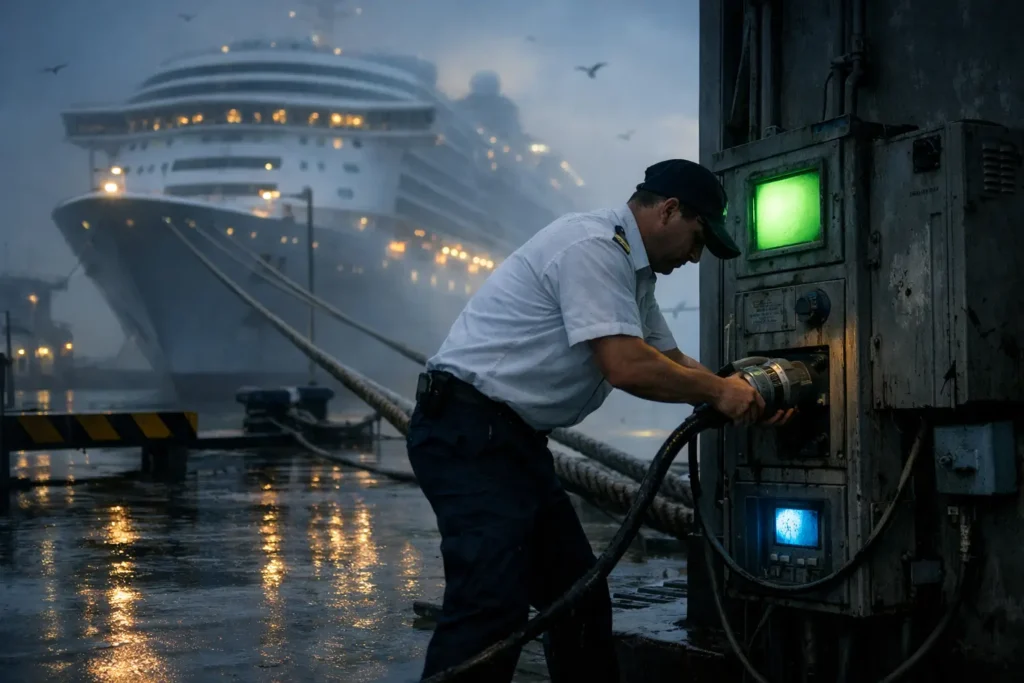
In June 2024, Carnival Cruise reported a data breach affecting its operations and potentially compromising sensitive customer information. While specific details remain limited, early reports suggest unauthorised access to customer data, including personal and financial details. This incident is part of a growing trend of cyber attacks targeting travel and hospitality companies, which often store large volumes of valuable customer data.
According to industry sources, the breach serves as a reminder that no organisation is immune from cyber threats. Attackers are increasingly targeting companies in tourism because of the vast amounts of personal data and payment information collected for bookings, loyalty programmes and travel documents. The Carnival Cruise data breach is a stark example of how cyber risks can impact both businesses and their customers.
Scope of the Breach
- Unauthorised access to customer and employee records.
- Potential exposure of payment information.
- Impact on business operations and reputation.
Rising Attacks in Tourism
The travel sector has seen a surge in ransomware, phishing and data theft incidents. Large-scale breaches can disrupt operations, erode customer trust and lead to significant financial losses. The Carnival Cruise incident highlights vulnerabilities in the industry and the urgent need for enhanced security measures.
Why It Matters: Implications for Travellers and Organisations
Cybersecurity threats in tourism are not limited to big operators like Carnival Cruise. Any organisation handling personal data is at risk. The implications of a data breach can be far-reaching, affecting not only the company but also its customers, partners and suppliers. For international travellers, breaches may lead to identity theft, financial fraud and privacy violations.
Impact on Travellers
- Exposure of passport, travel and payment information.
- Increased risk of identity theft and scams.
- Disruption to travel plans and bookings.
Impact on Tourism Operators
- Loss of customer trust and brand reputation.
- Legal and regulatory consequences under GDPR and other laws.
- Financial costs from remediation, fines and lost business.
The Carnival Cruise data breach is a clear indication that cybersecurity must be a core priority in the tourism sector. Organisations that fail to protect customer data face not only regulatory penalties but also long-term damage to their reputation and customer loyalty.
What Organisations Should Do: Strengthening Cybersecurity in Tourism
To address cybersecurity threats in tourism, organisations must adopt a proactive approach. The Carnival Cruise incident underlines the importance of robust data protection, employee training and incident response planning. Here are key steps every tourism operator should take:
Implement Strong Data Protection Measures
- Encrypt sensitive data both in transit and at rest.
- Restrict access to customer information to authorised personnel only.
- Regularly review and update data protection policies.
Enhance Security Awareness and Training
- Conduct regular staff training on phishing, social engineering and secure data handling.
- Encourage a culture of cybersecurity awareness throughout the organisation.
- Test staff with simulated phishing exercises to identify vulnerabilities.
Develop and Test Incident Response Plans
- Create a detailed incident response plan tailored to the organisation’s operations.
- Conduct regular drills and tabletop exercises to ensure readiness.
- Establish clear protocols for communicating with customers and regulators in the event of a breach.
Monitor and Manage Third-Party Risks
- Assess the cybersecurity posture of suppliers, partners and technology providers.
- Include data protection requirements in contracts with third parties.
- Monitor for unusual activity or signs of compromise across the supply chain.
Regularly Review and Update Security Controls
- Perform vulnerability assessments and penetration testing.
- Patch software and systems promptly to address known weaknesses.
- Adopt multi-factor authentication for critical systems and customer portals.
Looking Forward: Building Trust in a Digital Tourism Landscape
As the tourism industry becomes more digital, cybersecurity threats in tourism are likely to increase. The Carnival Cruise data breach is a timely reminder that customer trust depends on the secure handling of personal information. Organisations must continually adapt their security practices to address evolving cyber risks.
Proactive investment in cybersecurity, ongoing training and clear communication with customers can help build resilience and maintain trust. International travellers should also take steps to protect their own information, such as using strong passwords and being alert for phishing attempts.
Ultimately, safeguarding customer data is essential for the long-term success of tourism operators. By learning from incidents like the Carnival Cruise data breach, the industry can strengthen its defences and provide safer experiences for travellers worldwide.
Originally reported by Unknown.


