




Instagram Recovery Tool Bug Exposed Password Reset Abuse
A recent flaw in the Instagram recovery tool exposed 20,225 accounts to password reset abuse. This Instagram recovery tool bug allowed attackers to send password reset links to email addresses not linked to the affected accounts. The incident highlights the importance of robust account security for organisations using social media platforms like Instagram.
What Happened: The Instagram Recovery Tool Bug
Details of the Vulnerability
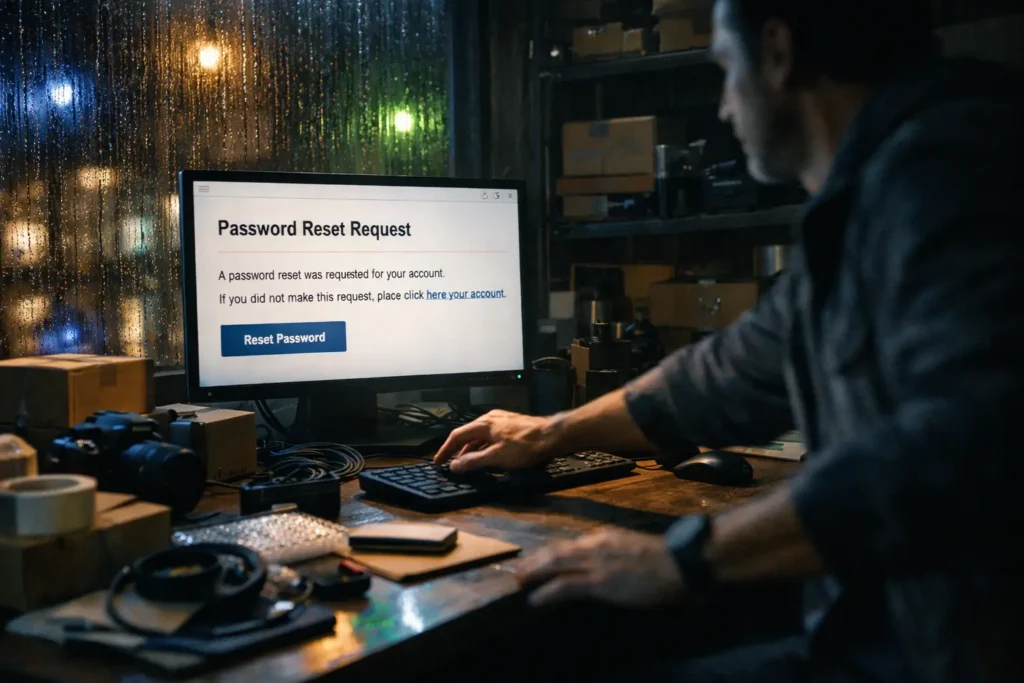
Meta, the company behind Instagram, disclosed a security incident involving an account recovery tool. Attackers exploited a flaw that enabled them to send password reset emails to addresses not associated with the intended accounts. This meant that unauthorised individuals could prompt password reset actions, potentially leading to confusion or unauthorised access attempts.
Who Was Affected?
According to a data breach notice filed with the Maine Attorney General’s Office, 20,225 Instagram users were impacted. While the breach was not specific to the UK, it could affect business accounts globally, including those used by small and medium-sized businesses.
Potential Risks for Businesses
Many organisations depend on Instagram for marketing, customer engagement and brand awareness. A compromise of social media accounts can lead to reputational damage, loss of followers and even unauthorised posts or messages. The Instagram recovery tool bug demonstrates how a single technical flaw can put business assets at risk.
Why Instagram Password Reset Abuse Matters
Threats to Organisational Security
When an attacker can initiate password resets to unverified email addresses, several risks arise for organisations:
- Account Takeover: Attackers may attempt to seize control of business accounts by exploiting weak recovery processes.
- Phishing Opportunities: Unsolicited password reset emails could be used to trick employees into revealing credentials.
- Disruption of Services: Repeated reset attempts can lock legitimate users out of their accounts, impacting business operations.
- Brand Damage: If attackers post unauthorised content, it can harm an organisation’s reputation.
Social Media as a Critical Asset
For many companies, Instagram is a vital communication channel. An incident like this highlights the need to treat social media accounts with the same level of security as other business-critical systems. A compromised Instagram account can lead to data leaks, reputational harm and loss of customer trust.
How Organisations Can Respond and Mitigate Risks
Review and Strengthen Account Security
- Enable Multi-Factor Authentication (MFA): MFA adds an extra layer of security, even if a password reset link is intercepted.
- Verify Contact Information: Ensure all recovery emails and phone numbers associated with business accounts are up to date and controlled by trusted staff.
- Monitor for Unusual Activity: Watch for unexpected password reset emails or login attempts and respond quickly to any anomalies.
Employee Awareness and Training
- Educate staff about the risks of social engineering and the importance of not clicking unsolicited password reset links.
- Remind employees to report suspicious emails or account behaviour to your IT or security team immediately.
Regular Security Reviews
- Conduct routine checks on all business social media accounts to ensure security settings follow best practice.
- Limit admin access to only those who need it and review account permissions regularly.
Incident Response Planning
- Have a clear process for responding to social media account compromises, including how to regain access and communicate with followers if needed.
Key Steps for Securing Business Instagram Accounts
- Enable two-factor authentication for all business accounts.
- Regularly review and update recovery email addresses and phone numbers.
- Monitor for and report suspicious password reset emails.
- Train staff on recognising phishing and social engineering attempts.
- Restrict admin access and review permissions frequently.
Conclusion: Lessons from the Instagram Recovery Tool Bug
The Instagram recovery tool bug serves as a reminder that even well-known platforms can have vulnerabilities. Organisations must take proactive steps to secure their social media accounts, educate staff and monitor for unusual activity. By treating social media security as a business priority, companies can reduce the risk of account takeovers and protect their brand reputation.
Originally reported by databreaches.net.


