



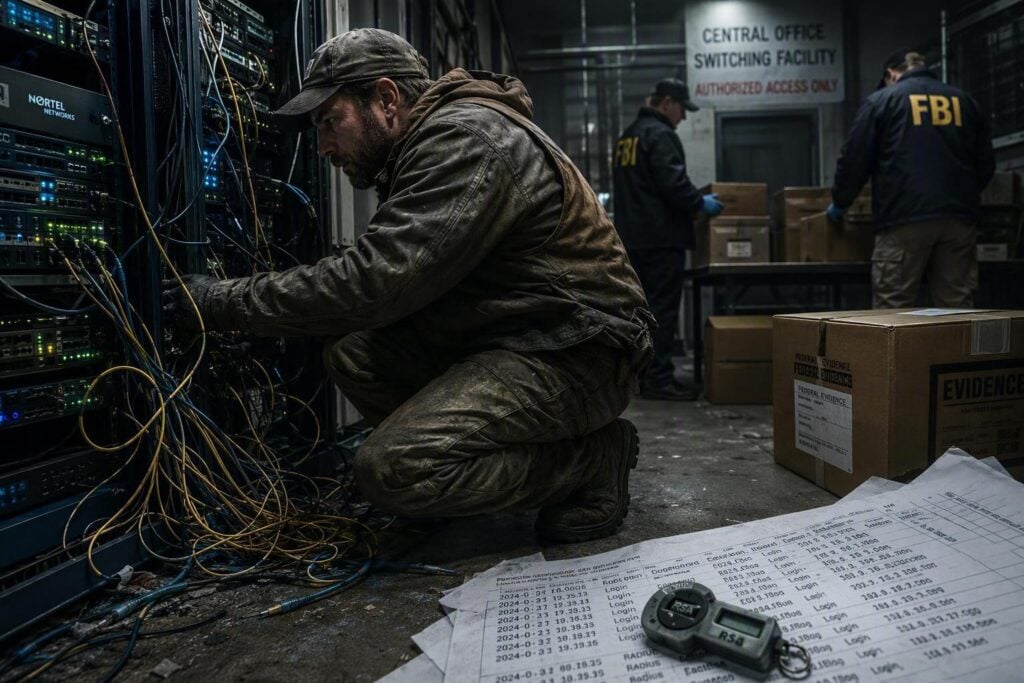



Kodak Data Breach: What Happened and Who Is Involved?
The Kodak data breach, confirmed in June 2026, saw the imaging giant targeted by the notorious ShinyHunters cybercriminal group. Kodak admitted that unauthorised access to a limited amount of company data had occurred. The attackers claim to have stolen over 2.2 million customer records, including personally identifiable information (PII) and internal corporate data.
This incident began when ShinyHunters publicly listed Kodak on a dark web leak site, demanding direct contact from Kodak under threat of exposing the stolen data. The company responded by involving external cybersecurity experts and law enforcement, and stated there was no ongoing threat to operations or systems. However, the full extent of the breach remains unverified, with no proof samples released by the attackers.
Who Are ShinyHunters?
ShinyHunters is a well-known cyber extortion group with a reputation for large-scale data theft. In 2026 alone, the group claimed responsibility for data breaches affecting millions of records at various organisations, including educational institutions and technology providers. Their methods often involve social engineering and vishing (voice phishing) to obtain employee credentials, allowing them to access and exfiltrate sensitive data.
Timeline of the Kodak Incident
- 15 June 2026: ShinyHunters lists Kodak as a victim on a dark web site and issues a ransom demand.
- 17 June 2026: The group threatens to leak data if Kodak does not respond by 18 June.
- Kodak confirms unauthorised access and launches an investigation with external experts.
- As of the latest update, the data breach is still under investigation with no operational impact reported.
Why the Kodak Data Breach Matters
The Kodak data breach highlights the ongoing threat posed by cyber extortion groups and the risks associated with unauthorised access to personal and corporate data. For organisations of all sizes and in all sectors, such incidents raise important questions about data security, regulatory obligations, and the evolving techniques used by attackers.
Risks to Customers and Organisations
While Kodak has not confirmed exactly what information was accessed, the potential exposure of customer PII could have serious consequences. This includes:
- Identity theft or fraud targeting affected individuals
- Reputational damage for Kodak and loss of customer trust
- Regulatory scrutiny and possible penalties if data protection laws are breached
- Follow-on phishing or social engineering attacks using stolen data
Even without operational disruption, the implications for data privacy and compliance are significant. Organisations handling customer data must be prepared for similar extortion attempts and understand their responsibilities under laws like the UK GDPR.
Techniques Used by ShinyHunters
ShinyHunters are known for exploiting human factors rather than technical vulnerabilities. Their playbook typically relies on:
- Social engineering: Manipulating employees into revealing login details or other sensitive information.
- Vishing: Using phone calls to impersonate IT staff or trusted contacts to obtain credentials.
- Data exfiltration: Once inside, attackers quickly identify and extract valuable data for ransom or sale.
This approach is effective because it targets the weakest link in most security defences: people.
How Organisations Should Respond to Data Breaches
The Kodak data breach serves as a timely reminder of the importance of a robust incident response plan. Every organisation should be prepared to act quickly and transparently when a breach occurs. Here are practical steps to take:
Immediate Actions Following a Breach
- Engage experts: Bring in external cybersecurity consultants to lead the investigation and remediation.
- Contain the breach: Limit further access and identify affected systems and data.
- Notify authorities: Involve law enforcement and, where applicable, notify regulators as required by law.
- Communicate transparently: Keep customers and stakeholders informed with clear, factual updates.
Strengthening Defences Against Social Engineering
Given the tactics used by groups like ShinyHunters, organisations should prioritise:
- Regular security awareness training for all staff, focusing on social engineering and vishing threats.
- Multi-factor authentication (MFA) for all sensitive accounts and systems.
- Strict access controls and least-privilege policies.
- Continuous monitoring for unusual access or data exfiltration activity.
Proactive defence and regular testing of incident response plans can significantly reduce the impact of a breach.
Meeting Regulatory Obligations
In the UK, data breaches involving personal information may trigger mandatory notification requirements under the UK GDPR. Organisations should be prepared to:
- Assess the risk to affected individuals and report to the Information Commissioner’s Office (ICO) if necessary.
- Inform data subjects if their rights or freedoms are at risk.
- Document all actions taken in response to the incident for compliance purposes.
Lessons from the Kodak Data Breach
The Kodak data breach is a clear example of the persistent risks facing even well-known global brands. It underscores the need for ongoing vigilance, investment in staff training, and the development of a robust response strategy. By learning from recent incidents and adapting to evolving attack methods, organisations can better protect their data, customers, and reputation.
Originally reported by cybersecuritynews.com.

