






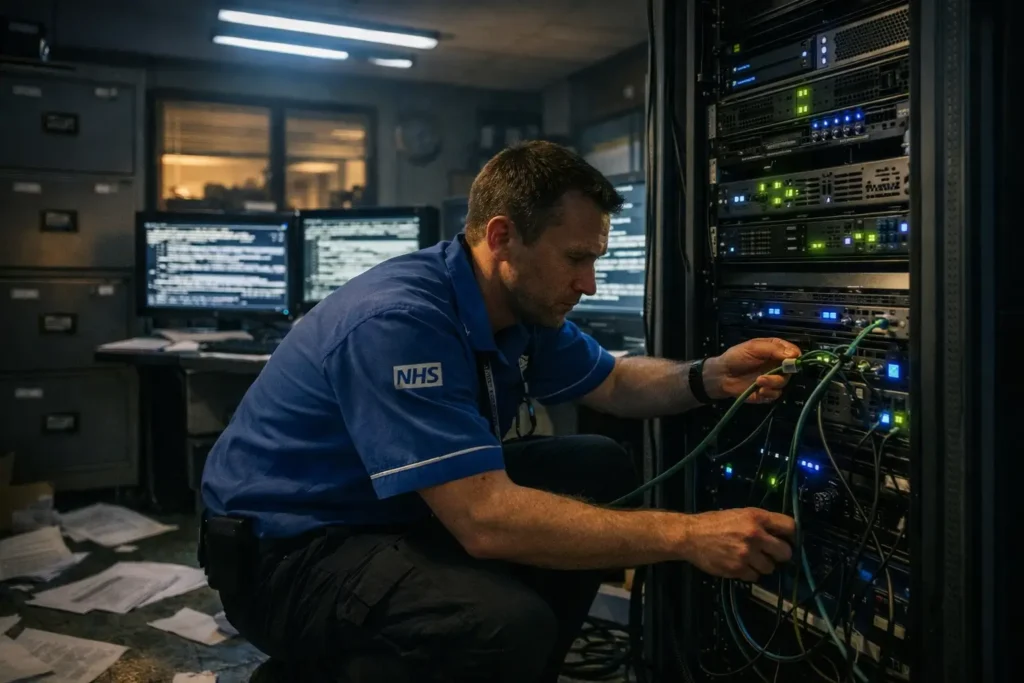
Patient Records Stolen in Cyber Attack: Understanding the Risks
Patient records stolen in cyber attack have drawn attention to the ongoing risks faced by organisations handling sensitive personal data. This incident, reported by the BBC, saw thousands of UK patient records compromised, highlighting vulnerabilities in healthcare cybersecurity and the urgent need for robust protection measures.
What Happened: Details of the Data Breach
Thousands of patient records were taken in a recent cyber attack, affecting a UK healthcare provider. According to reports, the attackers successfully accessed confidential patient information, which may include names, addresses, medical histories, and other sensitive details. The breach not only exposes personal health data but also raises concerns about the potential misuse of this information.
How the Attack Occurred
While specific technical details have not been disclosed, initial investigations suggest that the breach may have involved a supplier or third-party service. Cyber attacks on healthcare organisations often exploit vulnerabilities in external partners, outdated systems, or staff phishing scams. The attackers could have used tactics such as malware, ransomware, or social engineering to gain unauthorised access.
- Supplier security gaps
- Phishing emails targeting staff
- Unpatched software vulnerabilities
- Weak access controls
Scope of the Impact
The stolen patient records represent a significant volume of highly sensitive information. The impact extends beyond the immediate victims, potentially affecting trust in healthcare providers and the wider sector. Personal data exposure can lead to identity theft, financial fraud, or targeted phishing campaigns using the leaked information.
Why Patient Data Breaches Matter
Patient records are especially valuable to cyber criminals due to the depth of personal and medical information they contain. The consequences of patient records stolen in cyber attack can be severe for both individuals and organisations.
Risks to Individuals
- Identity theft: Stolen details may be used to impersonate patients or access financial services.
- Medical fraud: Criminals can use health records to obtain prescription drugs or submit fraudulent insurance claims.
- Targeted phishing: Victims may receive convincing emails or calls based on their medical history.
Organisational Consequences
- Regulatory penalties: Data protection laws such as the UK GDPR require organisations to safeguard personal data. Breaches can lead to fines and enforcement actions.
- Reputational damage: Loss of trust can affect patient confidence and organisational standing.
- Operational disruption: Responding to a breach is costly and time-consuming, often involving investigations, remediation, and support for affected individuals.
Strengthening Cybersecurity: What Organisations Should Do
Patient records stolen in cyber attack highlight the importance of proactive cybersecurity. Healthcare providers and other organisations handling sensitive data must take steps to mitigate risks and prepare for potential incidents.
Key Actions for Data Protection
- Review supplier relationships: Assess the security posture of third-party vendors and ensure they follow robust data protection standards.
- Enhance access controls: Limit access to patient records, using strong authentication methods and regular audits.
- Update systems and patch vulnerabilities: Maintain up-to-date software and promptly address known security issues.
- Educate staff: Provide training on recognising phishing attempts and safe handling of sensitive data.
- Prepare incident response plans: Develop and test procedures for detecting, reporting, and containing breaches.
Regulatory and Governance Considerations
Organisations must ensure compliance with relevant data protection regulations, such as the UK GDPR and the Data Protection Act 2018. This includes maintaining clear records of data processing activities, promptly notifying regulators and affected individuals in the event of a breach, and conducting regular risk assessments.
Building Patient Trust Through Transparency
Transparent communication is essential following a breach. Organisations should inform patients about what data was exposed, the steps being taken to protect them, and how they can safeguard their own information. Support services such as helplines and credit monitoring may help reduce the impact on affected individuals.
Preparing for Future Cyber Threats
Patient records stolen in cyber attack serve as a reminder that cybersecurity is an ongoing challenge. Organisations must remain vigilant, continually adapting their defences in response to evolving threats. Collaboration with industry partners, sharing threat intelligence, and investing in modern security technologies can help build resilience.
Recommended Best Practices
- Conduct regular security audits and penetration tests
- Implement multi-factor authentication for system access
- Monitor networks for unusual activity
- Encrypt sensitive data at rest and in transit
- Establish clear lines of responsibility for cybersecurity
By taking these steps, organisations can reduce the risk of patient records being stolen in cyber attacks and protect the sensitive information entrusted to them.
Originally reported by Unknown.

