





SocGholish Malware Network: What Happened?
The SocGholish malware network, also known as “FakeUpdates,” was a major cyber threat that targeted thousands of websites worldwide. Authorities have seized 106 servers and 101 domains linked to this sophisticated malware operation. This large-scale takedown, part of Operation Endgame, marks a significant step in the fight against malware and ransomware campaigns. The focus keyword “SocGholish malware network” highlights the scale and coordinated response to this persistent threat.
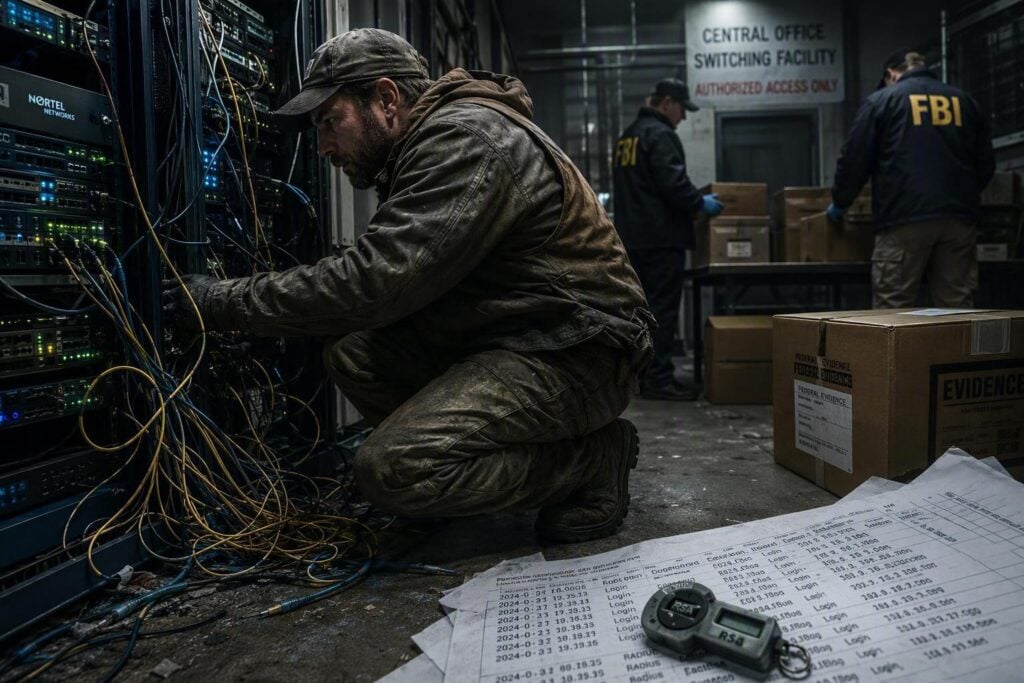
Operation Endgame brought together law enforcement agencies from the Netherlands, Canada, the United States, and Germany, with support from Europol and Eurojust, to disrupt SocGholish’s infrastructure. Nearly 15,000 infected websites were remediated, including many running WordPress, one of the world’s most popular content management systems. The operation targeted the backbone of the SocGholish malware network by seizing crucial servers and taking control of malicious domains used to spread infections.
How SocGholish Malware Works
SocGholish, or “FakeUpdates,” is a JavaScript-based malware framework. It exploited compromised, legitimate websites—primarily WordPress sites—by injecting malicious code. Visitors to infected sites were shown fake browser update prompts that appeared highly convincing. If a user downloaded and ran the fake update, the malware would install on their system, giving attackers remote access and control.
Common Tactics Used by SocGholish
- Injection of malicious JavaScript into compromised WordPress sites
- Display of fake browser update pop-ups to site visitors
- Deployment of Remote Access Trojans (RATs), infostealers, and ransomware
- Targeting of both individuals and organisations, including small businesses and critical infrastructure
SocGholish has been linked to notorious cybercrime groups such as Evil Corp, known for high-profile banking malware and ransomware campaigns. The malware network was responsible for a significant proportion of global malware downloader attacks, compromising everyday businesses like restaurants and automotive garages.
Why the Takedown Matters
The dismantling of the SocGholish malware network is a vital achievement in the ongoing battle against cybercrime. By seizing the infrastructure used to control nearly 15,000 infected websites, authorities have disrupted a major distribution channel for ransomware and data theft tools. This action helps to prevent further damage to businesses and individuals who might have unknowingly downloaded malware from trusted websites.
WordPress was a key target for SocGholish, as it powers over 43 percent of all websites globally. The operation uncovered leaked login credentials from 1.4 million WordPress sites, underlining the massive attack surface and the importance of strong website security practices. Remediation efforts included removing backdoors and notifying site owners through trusted platforms such as HaveIBeenPwned and The Shadowserver Foundation.
Key Outcomes of Operation Endgame
- Seizure of 106 servers and 101 malicious domains
- Remediation of 14,971 infected websites
- International cooperation among law enforcement agencies
- Increased public awareness of fake update malware campaigns
These efforts not only disrupt ongoing attacks but also send a clear message to cybercriminals about the risks of operating large-scale malware networks.
Practical Steps for Organisations Using WordPress
If your organisation uses WordPress, it is crucial to take immediate steps to reduce the risk of future SocGholish malware infections. The takedown may have removed some active threats, but cybercriminals are likely to regroup and seek new vulnerabilities to exploit. Regular security hygiene remains the best defence against such attacks.
Recommended Actions for WordPress Site Owners
- Change all login credentials immediately to prevent unauthorised access
- Enable multi-factor authentication (MFA) to add an extra layer of protection
- Remove any unknown or suspicious WordPress admin accounts
- Keep WordPress core, plugins, and themes fully updated at all times
- Monitor for unusual activity or changes to website files and settings
Additionally, educate staff about the dangers of fake update prompts. Legitimate browser or software updates should only be downloaded from official system settings or trusted app stores. Never trust unsolicited pop-ups urging urgent updates, as these are a common technique used by malware campaigns like SocGholish.
Building Resilience Against Future Threats
While the SocGholish malware network dismantling is a positive development, the evolving tactics of cybercriminals mean organisations must remain vigilant. Regular security reviews, staff awareness training, and prompt software updates are essential to reducing risk.
Additional Defence Measures
- Use reputable antivirus and endpoint protection tools, and keep them updated
- Regularly back up important data, storing copies offline or in secure cloud locations
- Implement a robust patch management process for all software and plugins
- Engage with cybersecurity advisories and threat intelligence sources
Organisations should also develop and test incident response plans so they can react quickly if a compromise is detected. Having clear procedures in place can minimise downtime and reduce the impact of any future attacks.
Finally, consider working with cybersecurity experts for regular audits and strategic advice. Staying proactive is the best way to defend against threats like SocGholish and ensure the ongoing safety of your digital assets.
Originally reported by cybersecuritynews.com.


