





Retail cyber threats: The M&S incident explained
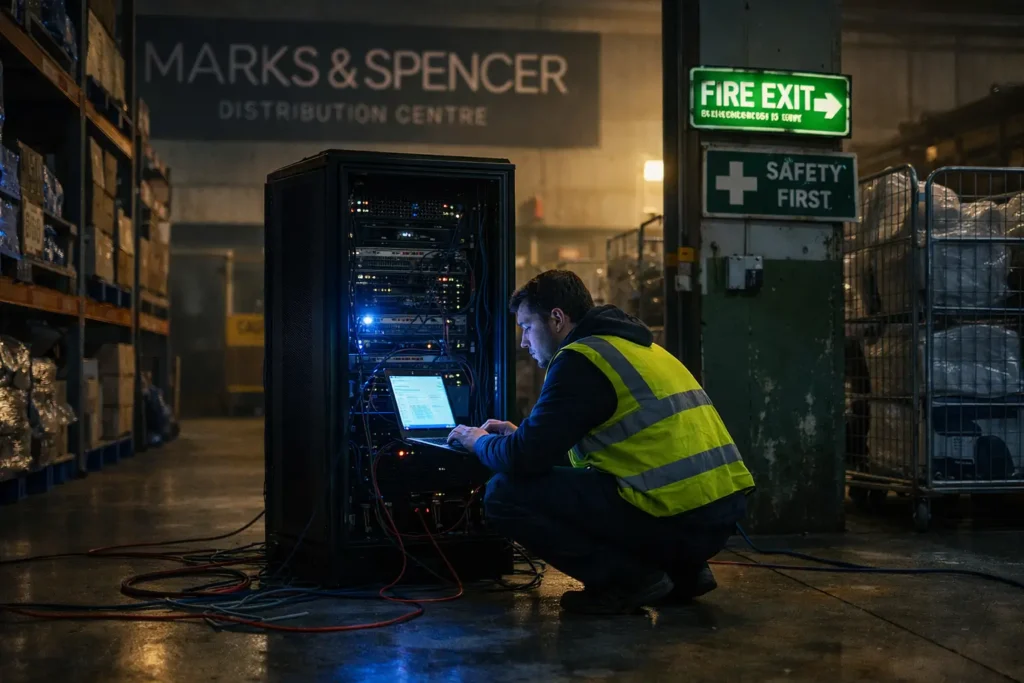
Retail cyber threats are a growing concern for UK businesses. Marks & Spencer (M&S), a well-known high street retailer, recently experienced a cyber attack. The company reported this incident but reassured customers and stakeholders that its appeal and trading outlook remain strong. This event highlights the increasing targeting of high-profile brands by cyber criminals, especially in the retail sector.
The attack did not appear to disrupt M&S’s operations or impact customer confidence significantly. However, it serves as a reminder that retail organisations and their suppliers must remain vigilant. Cyber threats continue to evolve, making resilience and strong security practices more important than ever.
Why retail cyber threats matter for UK organisations
Retail cyber threats pose risks not only to e-commerce platforms but also to customer data and supply chain relationships. High-profile brands like M&S are frequent targets because they handle vast amounts of sensitive information and have complex online operations. The consequences of a successful attack can include data breaches, reputational damage and financial loss.
Impact on customer trust and business continuity
Even though M&S managed to maintain its appeal after the attack, the incident could have undermined customer trust. Retailers rely on positive brand reputation and seamless online experiences. A cyber attack can disrupt trading, compromise customer data or damage business relationships. The ability to recover quickly and reassure customers is essential for protecting long-term business continuity.
Supply chain vulnerabilities
Retailers often work with numerous suppliers and partners. Cyber attackers may target these supply chains, seeking weak links to gain access to core systems. A breach affecting suppliers can have a ripple effect, impacting inventory management, payment processing and overall operations. This means that retail cyber threats are not limited to the primary organisation but can extend throughout the ecosystem.
Key lessons from the M&S cyber attack
While M&S demonstrated resilience, the incident offers several important lessons for retail organisations:
- Proactive security measures: Regularly update and review security controls across all systems, including e-commerce platforms and customer databases.
- Incident response planning: Develop and test incident response plans to ensure a swift and coordinated reaction to any cyber threat.
- Supply chain risk management: Assess security standards of suppliers and partners, and require robust data protection practices throughout the supply chain.
- Customer communications: Prepare clear communication strategies for informing customers about cyber incidents and reassuring them of ongoing protection efforts.
- Continuous monitoring: Implement technologies and processes for continuous monitoring of network activity, helping to detect and respond to suspicious behaviour quickly.
Practical steps for strengthening cyber resilience in retail
Retail organisations must take concrete actions to address retail cyber threats. Here are practical steps to boost resilience:
Enhancing e-commerce platform security
Most retailers rely on online platforms for sales and customer engagement. Securing these platforms involves:
- Applying regular software updates and security patches
- Using multi-factor authentication for all users
- Encrypting sensitive customer information
- Conducting vulnerability scans and penetration tests
Protecting customer data and privacy
Customer data is a prime target for cyber criminals. To protect this data, organisations should:
- Limit data collection to what is necessary for business operations
- Store data securely with strong access controls
- Regularly review data retention policies
- Educate staff about data protection and privacy best practices
Building a culture of security awareness
Employees are often the first line of defence against retail cyber threats. Building a culture of security awareness involves:
- Providing regular cybersecurity training
- Encouraging staff to report suspicious activity
- Establishing clear policies for safe online behaviour
- Including security requirements in supplier contracts
Preparing for future retail cyber threats
The M&S incident shows that cyber attacks can happen to any organisation, regardless of size or reputation. Preparing for retail cyber threats means staying informed about new tactics and adapting security strategies as threats evolve. Retailers should collaborate with industry peers, participate in threat intelligence sharing and review their own practices regularly.
Investing in cybersecurity is not just about technology. It is about people, processes and partnerships. Organisations should foster strong relationships with trusted suppliers, implement robust risk management frameworks and ensure that cybersecurity is a strategic priority at board level.
Conclusion: Retail resilience in the face of cyber threats
Retail cyber threats are a persistent risk for UK organisations. The M&S cyber attack is a reminder that high-profile brands remain targets, but resilience is possible with proactive measures. By strengthening e-commerce security, protecting customer data and building a culture of awareness, retailers can reduce their risk and maintain the trust of their customers.
Organisations should not wait for an incident before acting. Regularly review and improve your security practices, engage with suppliers about their cybersecurity standards and ensure that your incident response plans are up to date. Retail cyber threats may continue to grow, but with the right approach, businesses can thrive and protect what matters most.
Originally reported by Unknown.


