





Gunra ransomware has emerged as a major threat, using double extortion to target a wide range of industries. Since its first appearance in 2025, Gunra has quickly evolved into a ransomware-as-a-service (RaaS) operation, with affiliates leveraging the platform to compromise government, critical infrastructure and other organisations. The latest advisory from CISA provides crucial details about how Gunra ransomware works, its methods, and the specific sectors most at risk.
Gunra Ransomware: How the Double Extortion Model Works
Gunra ransomware employs a double extortion tactic. This means that threat actors not only encrypt an organisation’s files, but also exfiltrate sensitive data. If the ransom is not paid, the attackers threaten to publish the stolen information on a dedicated leak site, increasing the pressure on victims.
This model has proven highly effective and damaging. The threat of data exposure can be even more severe than the operational disruption caused by encryption, especially for sectors with regulatory or reputational concerns such as healthcare, financial services, and government bodies.
Event Timeline and Technical Details
The Gunra ransomware variant was first identified in 2025. In 2026, it shifted to a full ransomware-as-a-service operation, enabling affiliates to conduct attacks using Gunra’s tooling and infrastructure. The advisory was published on 10 August 2026, reflecting the urgency and ongoing risk posed by active campaigns.
Targeted Sectors and Victim Profile
Gunra’s victims span a broad range of sectors, including:
- Government services and facilities
- Critical infrastructure (such as utilities and transportation)
- Healthcare and public health
- Financial services and insurance
- Critical manufacturing and construction
- Academia, media and communications
- Retail and professional/nonprofit services
The range of affected organisations highlights Gunra’s opportunistic approach, with affiliates likely seeking vulnerable targets across multiple industries.
Attack Vector and Exploitation Methods
Gunra ransomware affiliates typically gain initial access by exploiting known vulnerabilities in internet-facing systems. Commonly targeted assets include virtual private network (VPN) gateways and systems exposing remote desktop protocol (RDP) to the internet. These vectors are often chosen because they allow attackers to bypass traditional network perimeters and gain a foothold inside the target environment.
Once inside, attackers move laterally, escalate privileges, and deploy the ransomware payload. The exfiltration of sensitive data is a key step in Gunra operations, as it enables the double extortion approach. Attackers then leave ransom notes instructing victims on how to contact the operators and pay for decryption and data suppression.
Indicators of Compromise and Detection Artefacts
CISA has released detection artefacts and indicators of compromise (IOCs) to help organisations identify Gunra-related activity. These are available in STIX format for integration into security monitoring tools:
These artefacts include file hashes, command and control infrastructure details, and other technical signatures observed during Gunra attacks. Security teams are encouraged to import these into SIEM and endpoint detection platforms for proactive monitoring.
Current Exploitation Status and Ongoing Risks
According to the advisory, Gunra ransomware attacks remain active and ongoing as of August 2026. The ransomware-as-a-service model means that multiple affiliates are likely conducting campaigns simultaneously, increasing the breadth and unpredictability of attacks. No specific software products or versions are named in the advisory, but the emphasis on patching internet-facing systems suggests that attackers are exploiting a range of known vulnerabilities in popular remote access and network infrastructure platforms.
Organisations in government, healthcare, financial services, and critical infrastructure are particularly at risk, but the broad targeting indicates that any entity with exposed, unpatched systems may be vulnerable.
Why the Gunra Ransomware Threat Matters
Gunra represents the increasing sophistication of ransomware operations, leveraging both technical compromise and psychological pressure through data leak threats. The use of the ransomware-as-a-service model enables rapid scaling and diversification of attack methods, making it harder for defenders to anticipate and block new campaigns. The focus on critical infrastructure and essential services raises the stakes, with operational disruption and data exposure both posing significant risks to public safety and trust.
Recommended Actions for Organisations
Based on the latest advisory, organisations should prioritise:
- Patching known exploited vulnerabilities, especially in internet-facing systems like VPNs and RDP servers
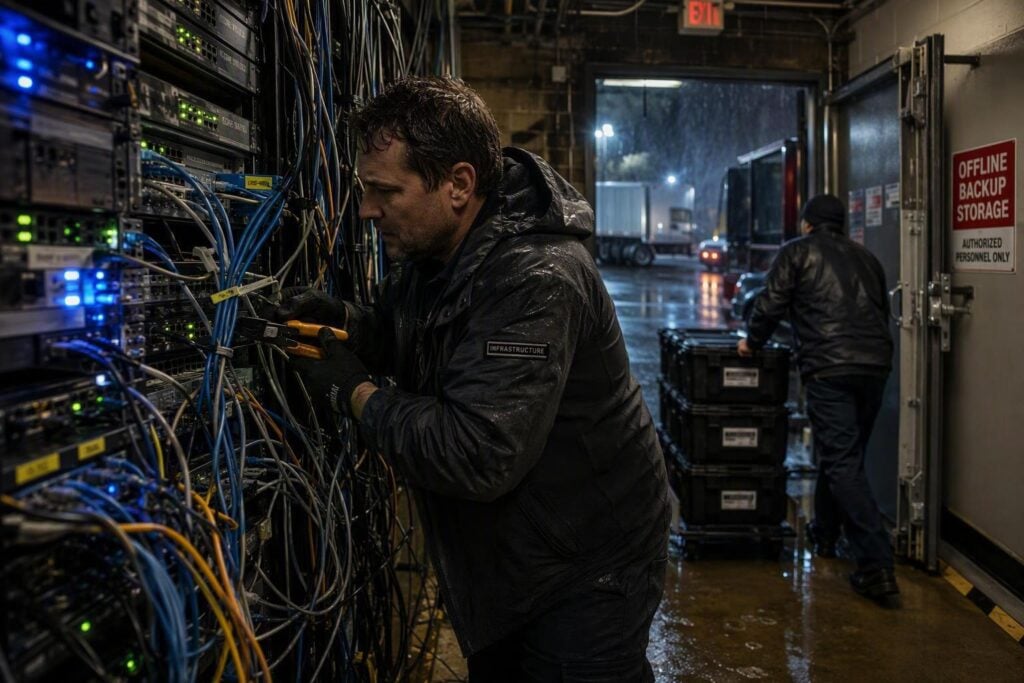
- Implementing offline, immutable backups in physically segmented environments
- Segmenting internal networks to limit lateral movement opportunities for attackers
- Importing and regularly updating Gunra IOCs for timely detection and response
Immediate action on these points is essential for reducing the risk of a successful Gunra ransomware attack and mitigating potential damage.
Originally reported by cisa.gov.

