






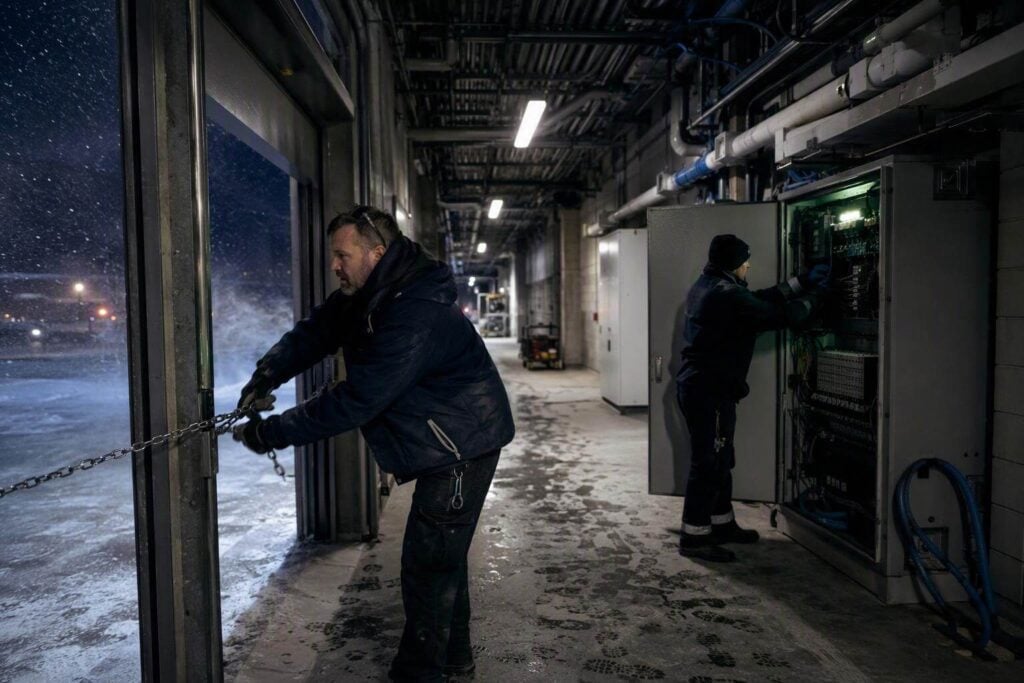
A ransomware attack at Health Sciences Centre (HSC) in Winnipeg recently disrupted key facility maintenance systems, including door access and heating, ventilation and air conditioning (HVAC). This incident highlights the risks posed by cyber threats to building management systems, affecting operational continuity and physical security even when clinical services remain unaffected.
Ransomware Incident Targets Health Sciences Centre Building Systems
On 10 August 2026, Shared Health, the provincial health authority for Manitoba, confirmed that HSC had suffered a ransomware incident. The attack specifically targeted certain facility maintenance systems, most notably the electronic door access controls and the HVAC infrastructure. Despite the disruption, Shared Health emphasised that clinical operations and patient care continued without interruption, and that no other hospital systems appeared to be compromised at that time.
The immediate impact of the attack was felt primarily in the hospital’s operational technology environment rather than its clinical or administrative IT systems. To maintain safety and security while the door systems were impacted, additional security staff were deployed at building entrances. The site remained accessible to both staff and patients throughout the incident.
Timeline and Scope of the Attack
- 10 August 2026: Shared Health publicly confirms a ransomware attack affecting facility maintenance systems at HSC. The hospital’s message reassures the public that clinical services are not disrupted and the site remains open.
- 10 August 2026, 5:43 pm CDT: Local media, including the Winnipeg Free Press, report on the incident, echoing assurances that patient services are uninterrupted and the province has been notified.
- 11 August 2026: No evidence of data theft or clinical system impact has been disclosed. The identity of the threat actor remains unknown, and no technical indicators have been published.
The attack is notable for its focus on building-related operational technology rather than IT systems handling patient records or medical devices. At the time of reporting, there is no confirmation of data exfiltration, and no detailed information has been provided regarding the method of intrusion, malware family, or ransom note content. The hospital has engaged external experts to support the ongoing investigation.
Systems and Components Affected
According to Shared Health and supported by local news reports, the ransomware disrupted the following:
- Electronic door access control systems, impacting entry and exit to certain areas within the hospital.
- HVAC systems, including both ventilation and air conditioning, with potential implications for temperature and air quality management in clinical and non-clinical spaces.
No details have been shared about the specific vendors, product models, or software versions involved. The attack was contained to these facility management systems, with no evidence at time of writing that hospital IT or clinical networks were affected. Reports suggesting wider impact on systems such as elevators have not been confirmed by primary sources.
Operational Response and Investigation
In response to the incident, the hospital and Shared Health took immediate steps to safeguard physical access and environmental controls. Measures included:
- Deploying additional security personnel at key entrances while doors operated manually or with reduced automation.
- Launching a formal investigation with assistance from external cybersecurity experts.
- Notifying the provincial government and maintaining transparent communication with the public and staff.
No public indicators of compromise—such as IP addresses, file hashes, or ransom notes—have been released, reflecting either the early stage of the investigation or a deliberate decision to withhold details while containment and recovery efforts are underway.
Context and Lessons from Previous Audits
This attack comes less than two years after a report by Manitoba’s Office of the Auditor General called for stronger cybersecurity measures at Shared Health. The December 2024 audit found that while an incident response process existed, there was a need for regular tabletop exercises, improved staff training and clear external communication procedures. The current incident will likely prompt further scrutiny of how well these recommendations were implemented, especially regarding the resilience of operational technology and building management networks.
Why This Incident Matters
The HSC event is a stark reminder that ransomware can impact more than just data or traditional IT systems. Disruption to building management systems such as door access and HVAC can have significant effects on the comfort, safety and operational continuity of any large organisation. Even with clinical systems unaffected, physical access and environmental control are vital for healthcare delivery and general business operations.
Implications for UK Organisations
While this attack took place in Canada, the lessons are highly relevant for UK organisations—especially those in multi-tenant offices or managing their own premises. Many rely on similar building management systems, which may be less rigorously monitored or segmented than core IT infrastructure. A compromise can disrupt operations, increase safety risks and require costly manual interventions.
What Organisations Should Do
- Review the network segmentation between building management and core IT systems.
- Ensure building system vendors have robust security practices in place.
- Test incident response plans to cover both IT and operational technology scenarios.
- Engage facilities management in cybersecurity awareness and response planning.
The HSC ransomware attack demonstrates the importance of including facility and building management systems within the overall security strategy and response plans for any modern organisation.
Originally reported by ca.news.yahoo.com.

