





A ransomware attack on PaKK-MED, a network of Polish primary care centres, has disrupted healthcare operations and raised serious concerns about patient data security. The ransomware incident, first detected on 21 July 2026, is a stark reminder of the ongoing cyber threats facing the healthcare sector.
Ransomware Attack Hits PaKK-MED: What Happened?
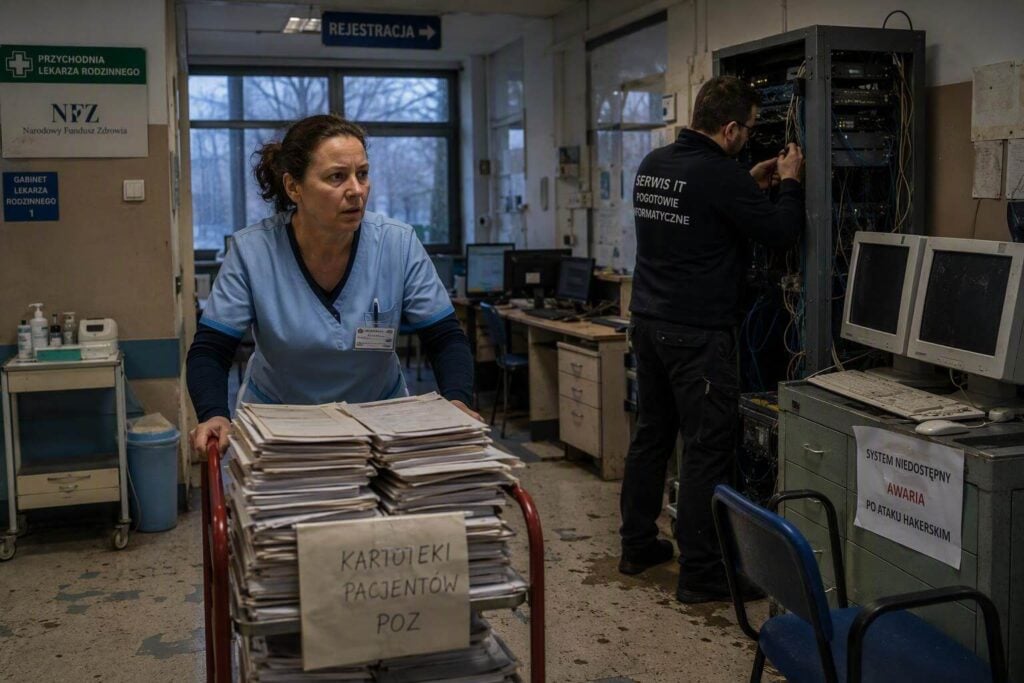
On 21 July 2026, PaKK-MED (pakkmed.pl), an association of primary care facilities in Poland, suffered a significant ransomware attack. The attack targeted the organisation’s core IT systems, causing a widespread outage across its digital infrastructure. As a direct result, the affected healthcare centres were forced to revert to manual, paper-based processes to maintain continuity of care for patients.
According to the organisation’s public statement, the incident immediately disrupted digital patient management, appointment scheduling and access to electronic health records. Staff were unable to use computers or access critical information electronically, significantly slowing down routine operations and patient care.
Key Details of the Attack
- Date of attack: 21 July 2026
- Victim: PaKK-MED, a network of primary care centres in Poland
- Systems affected: Core IT infrastructure, including patient data management
- Immediate impact: Forced switch to paper-based processes, delayed services
- Data at risk: Personal data (names, PESEL numbers), health records, staff information
The organisation moved swiftly to notify Polish authorities, including the national data protection regulator and the prosecutor’s office, as required by law when there is a risk of personal data exposure. The quick switch to manual processes helped ensure that essential medical care could still be delivered, albeit with delays and reduced efficiency.
How the Ransomware Attack Unfolded
While PaKK-MED has not disclosed the precise ransomware variant or the attackers’ entry method, the attack followed a pattern seen in numerous healthcare breaches across Europe. Once inside the IT network, the ransomware encrypted files and systems essential for day-to-day operations, holding them hostage until a ransom demand was met.
The attackers’ main aim in such incidents is typically to extort payment in exchange for the decryption key that restores access to compromised data. The threat of exposing sensitive personal and health data is frequently used as additional leverage. In this case, the data potentially at risk includes:
- Patient names and contact details
- PESEL (Polish national ID) numbers
- Medical histories and treatment records
- Staff personal information
Given the highly sensitive nature of medical data, even a short period of exposure or unavailability can have serious consequences for both patients and healthcare providers.
Timeline and Response
- 21 July 2026: Ransomware attack detected at PaKK-MED, IT systems are shut down to contain the threat
- Immediate fallback to paper processes and manual record-keeping across affected centres
- Notification of the national data protection authority and law enforcement
- Internal investigation and forensic analysis launched to assess the breach scope
- Ongoing efforts to restore IT services and secure compromised systems
As of early August 2026, PaKK-MED continues to assess the full impact of the breach and is working with authorities to determine whether any patient or staff data has been exfiltrated or publicly leaked. There is no public evidence yet of data being published, but the risk remains until the investigation concludes.
Current Exploitation Status and Ongoing Risks
The PaKK-MED ransomware attack highlights the ongoing threat posed by cybercriminal groups to healthcare providers in Europe. Ransomware remains a favoured method for disrupting critical services and demanding payment. Although the specific group and ransomware strain have not been named in this incident, similar attacks have increasingly targeted healthcare organisations, exploiting vulnerabilities in remote access, outdated software, or phishing attacks on staff.
At the time of writing, authorities have not confirmed whether the attackers successfully exfiltrated data or if a ransom was paid. The risk of sensitive patient and staff data being leaked online is a significant concern, given the value of health records on underground markets. The full scale of exploitation will only become clear as forensic investigations progress.
Why This Incident Matters
This attack on PaKK-MED is a stark illustration of the real-world impact of ransomware on patient care. Disruption of IT systems in healthcare can delay treatments, complicate diagnoses and undermine trust in digital health services. The potential exposure of personal and health data also creates risks for affected individuals, including identity theft and fraud.
Immediate Actions for Healthcare Organisations
Healthcare providers should review their incident response protocols for ransomware attacks and ensure robust data protection and system backup measures are in place. Timely reporting to authorities, as demonstrated by PaKK-MED, is essential to manage regulatory and legal obligations in the event of a breach.
Originally reported by cyberdefence24.pl.

